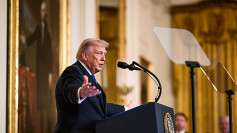
President Donald Trump said he may reduce the federal immigration enforcement footprint in Minnesota following a phone call with Governor Tim Walz that both sides described as unexpectedly cordial, signaling a potential de-escalation after weeks of unrest, legal clashes, and two fatal encounters involving federal agents.
The Jan. 26 conversation focused on whether to scale back Immigration and Customs Enforcement activity after Operation Metro Surge brought thousands of ICE and Border Protection agents into Minneapolis and St. Paul, provoking protests and fierce opposition from state leaders. Walz's office characterized the exchange as "productive" and "shockingly friendly," a marked shift from months of acrimony.
Operation Metro Surge was launched to target alleged criminal illegal immigrants in the Twin Cities, but the deployment quickly drew criticism from local officials who said it fueled fear and destabilized communities. Videos circulating online showed confrontations between agents and residents, intensifying demonstrations across the metro area.
The standoff hardened after two fatal incidents involving federal agents. Alex Pretti, a 37-year-old ICU nurse, and Renée Good were killed in separate encounters, triggering widespread outrage and demands for independent investigations. State and local leaders disputed federal claims that the shootings were defensive, pointing to video evidence they say contradicts that narrative.
In the weeks leading up to the call, Walz made repeated public appeals for restraint, urging Trump to reduce the federal presence before tensions escalated further. "You can end this today," Walz said at a news conference, adding that Minnesota could manage public safety through existing state and local systems. His office argued for "humane, focused, effective immigration control," criticizing what it described as an overly militarized approach.
Legal pressures compounded the political dispute. The Justice Department issued grand jury subpoenas to Walz and Minnesota Attorney General Keith Ellison to examine whether the state's opposition to federal enforcement amounted to obstruction of justice. State officials rejected the allegation, describing the subpoenas as politically motivated.
A federal judge added to the scrutiny by issuing a preliminary injunction restricting federal agents from arresting or using force against peaceful observers, underscoring constitutional concerns surrounding the operation. Minnesota officials have also pursued legal action to preserve evidence related to the fatal shootings.
According to Walz's office, the governor pressed Trump to allow impartial state-led investigations into the deaths and to reconsider the scale of the federal deployment. Trump agreed to consult with the Department of Homeland Security about permitting independent state inquiries and to examine options for decreasing the number of agents operating in Minnesota.
The apparent thaw may reflect mounting political and legal risks as public opinion weighs the costs of aggressive enforcement. Immigrant advocates say heavily armed federal operations have traumatized families and deterred residents from accessing essential services. Supporters of ICE counter that the surge has led to arrests of individuals charged with both violent and non-violent offenses, arguing enforcement is necessary to uphold the rule of law.