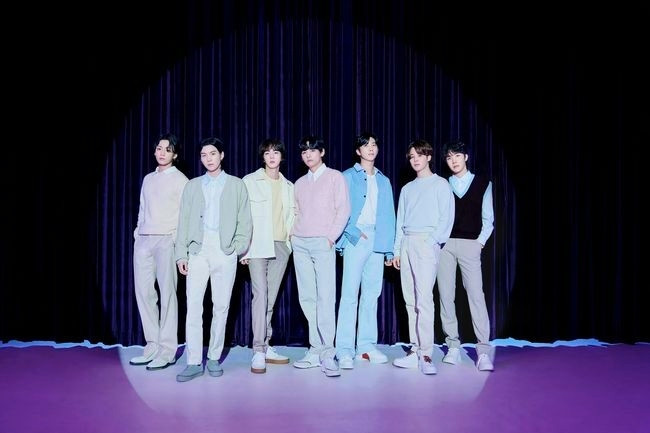
The announcement of BTS' Arirang World Tour has ignited one of the most intense global ticket scrambles the live-music industry has seen in years, overwhelming ticketing platforms and triggering a parallel surge in international travel planning. As presales opened in late January, fans reported virtual queues stretching into the hundreds of thousands, with some seeing more than 800,000 people ahead of them, underscoring the scale of demand confronting promoters and cities hosting the tour.
Ticketing systems across multiple regions struggled to absorb the rush. Platforms including Ticketmaster and local distributors implemented staggered presales and ARMY membership access, yet those measures failed to meaningfully ease congestion, according to industry coverage cited by Consequence. Fans across Asia, Europe and the Americas described hours-long waits, sudden sellouts and seats disappearing within seconds of release.
The intensity of demand has quickly spilled beyond ticketing into the travel sector. Within 48 hours of the tour announcement, searches for flights and accommodation to host cities surged sharply, signaling that fans were willing to commit to long-distance travel even before securing tickets. Data reported by Seoul Economic Daily showed searches for Busan jumping 2,375%, while Seoul saw increases exceeding 155% over the same period.
Similar patterns emerged outside Asia. In Brazil, local transportation platforms recorded searches for bus tickets to São Paulo rising more than 600-fold following confirmation of the city as a tour stop. Travel agencies and hotel operators in multiple markets have begun adjusting inventory and pricing models in anticipation of sustained demand through the tour's April launch and beyond.
The economic implications are drawing attention from analysts and city officials. The Guardian described the tour as a "global event capable of significantly impacting urban economies," pointing to historical data showing that major concert tours generate several times their ticket revenue in ancillary spending on hotels, food, transport and retail. Industry estimates suggest BTS' impact could exceed those benchmarks given the group's unusually mobile and international fan base.
Key indicators cited by industry and government sources highlight the breadth of the effect:
- Virtual ticket queues reaching up to 800,000 users during presales
- Travel-search spikes of more than 2,000% in major South Korean host cities
- Hundreds-fold increases in regional transport searches in Latin America
The tour momentum arrives alongside legal developments reinforcing the group's control over its work. According to The Korea Times, BTS members V (Kim Taehyung) and Jungkook recently secured a court ruling in Seoul ordering a YouTube channel to pay damages for copyright infringement involving BTS content. Legal analysts said the decision underscored limits on monetizing unauthorized material and was widely shared across ARMY communities.
Anticipation has been further fueled by early promotional material and industry commentary around the setlist. Billboard reported that the tour is expected to blend recent releases with signature tracks from earlier eras, a structure designed to appeal to long-time fans while showcasing the group's evolving sound.