President Donald Trump on Tuesday escalated rhetoric surrounding unidentified aerial phenomena, accusing former President Barack Obama of improperly disclosing classified information related to aliens and suggesting he could declassify sensitive material himself.
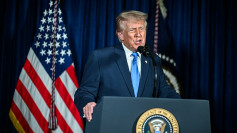
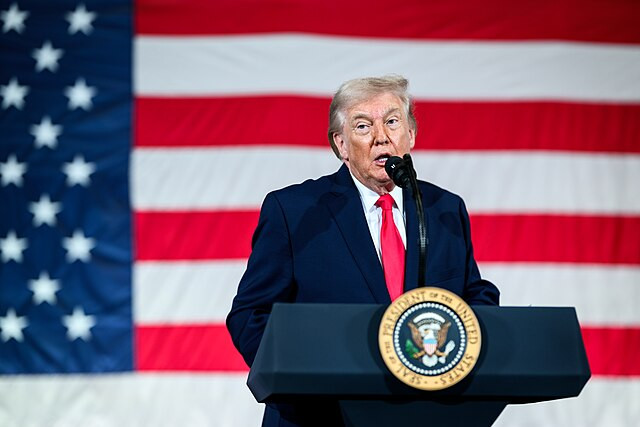
Speaking to reporters amid renewed public interest in UFOs-officially termed Unidentified Aerial Phenomena, or UAPs-Trump framed his remarks as both a national security warning and a potential transparency pledge. "He gave classified information. He's not supposed to be doing that. I don't know if they're real or not... I can tell you he gave classified information. He made a big mistake," Trump said, referring to Obama.
The allegation immediately reignited long-running debates over government secrecy, executive authority and whether presidents possess-or withhold-definitive knowledge about extraterrestrial life. Trump added a further layer of intrigue by hinting at intervention. "Maybe I'll get him out of trouble. I may get him out of trouble by declassifying," he stated.
The comments arrive during a period of heightened scrutiny of UAP disclosures. Over the past several years, Pentagon assessments and congressional hearings have acknowledged unexplained aerial sightings, though officials have stopped short of confirming extraterrestrial origins. Intelligence agencies have released limited reports documenting incidents involving military pilots and advanced radar systems.
Trump's assertion that Obama disclosed sensitive information has not been accompanied by documentation or specific references to declassified files. The former president has not publicly responded to the claim.
Political analysts note that Trump's remarks blend a familiar critique of his predecessor with a promise of revelation. The framing positions him as both whistleblower and potential gatekeeper of information long sought by UFO researchers.
Interest in the subject predates the current political moment. Former President Bill Clinton reportedly pursued inquiries into UFO-related records during his administration, though officials have long maintained that information remains compartmentalized within classified programs.
Webster Hubbell, who served as Associate Attorney General during the Clinton administration, previously suggested that information concerning extraterrestrials was tightly controlled within government structures, often limiting presidential visibility into certain files.
Recent government disclosures have focused primarily on unexplained sightings rather than confirmation of alien life. Defense officials have emphasized that UAP investigations examine potential foreign adversary technology, airborne debris, sensor anomalies or other conventional explanations.
Trump acknowledged uncertainty regarding extraterrestrials even while alleging a security breach. "I don't know if they're real or not," he said, underscoring ambiguity at the center of the debate.
The prospect of declassification raises procedural and constitutional questions. Presidents hold broad authority to declassify material, but such actions typically involve agency coordination and national security review. Whether any files exist that substantiate Trump's claim remains unclear.