European natural gas markets were jolted this week after QatarEnergy halted production of liquefied natural gas following reported military attacks on key industrial facilities, sending benchmark gas prices sharply higher and reigniting fears about the continent's energy security.
The disruption pushed Dutch TTF futures, Europe's primary natural-gas benchmark, up roughly 70% from levels recorded on Feb. 27, according to market data. Prices surged dramatically during the first trading session following the announcement, rising more than 50% intraday before closing with a 39% daily gain.
Trading in subsequent sessions kept the market under pressure. By midweek, Dutch TTF prices had climbed above €60 per megawatt-hour, nearly double the level seen just days earlier.
The price surge followed confirmation from QatarEnergy, the state-owned energy company that oversees the country's vast LNG industry, that production had been halted at its core facilities.
In a statement, the company said: "Due to military attacks on QatarEnergy's operating facilities in Ras Laffan Industrial City and Mesaieed Industrial City in the State of Qatar, QatarEnergy has ceased production of liquefied natural gas (LNG) and associated products."
The shutdown immediately reverberated across global energy markets. Qatar is the world's second-largest exporter of LNG, and its exports form a critical component of supply for both European and Asian importers.
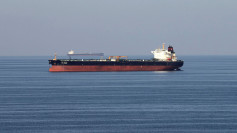
The supply shock has been amplified by mounting tensions in the Strait of Hormuz, a strategic shipping corridor through which a significant portion of global energy flows. Analysts estimate that roughly 20% of global LNG trade passes through the waterway, making any disruption particularly consequential for energy markets.
Regional security developments have heightened concerns that shipping routes could be constrained. Reports that Iran's Islamic Revolutionary Guard Corps (IRGC) has declared the strait restricted have effectively created what traders describe as a de facto closure for parts of the market.
With shipments from Qatar halted and shipping risks rising, importers in Europe and Asia have begun competing aggressively for remaining spot cargoes.
Market participants say the timing of the disruption could hardly be worse for Europe. According to Gas Infrastructure Europe, storage levels across the European Union were roughly 30% full as of March 1, marking one of the lowest levels for this time of year in several seasons.
The situation is particularly tight in some of the region's largest gas-consuming economies:
- Germany: storage levels around 20.6%
- Netherlands: storage levels around 10.7%
Cold weather during the winter season has accelerated withdrawals from storage sites across the continent, draining reserves at the fastest pace in five years.
Although the official European heating season typically runs until March 31, governments and utilities are already preparing for the next phase of the supply cycle: rebuilding inventories during spring and summer to prepare for winter demand later in the year.
That task may become significantly more difficult if Qatari LNG exports remain offline or if shipping disruptions continue.
Energy analysts say Europe has spent several years attempting to diversify its energy supply following earlier crises, investing heavily in LNG import terminals and alternative suppliers.
However, the latest shock illustrates how tightly interconnected global gas markets remain. Even with expanded infrastructure, a sudden disruption from one major exporter can quickly cascade through trading hubs, industrial supply chains and household energy costs.