Hundreds of officers with the Transportation Security Administration (TSA) have resigned after going weeks without pay during the ongoing Department of Homeland Security (DHS) funding standoff, worsening security delays at major U.S. airports as winter storms and the spring-break travel surge strain already thin staffing levels.
Officials confirmed that more than 300 TSA officers have left their jobs since mid-February, when the partial government shutdown halted paychecks for thousands of federal workers responsible for airport screening operations.
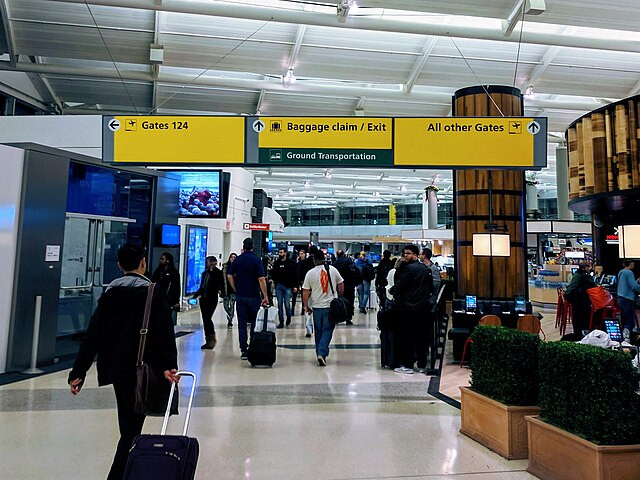
The departures, combined with a sharp increase in unscheduled absences, have slowed security checkpoints nationwide, forcing passengers at some airports to wait more than an hour before reaching departure gates.
According to CNN, DHS said the wave of resignations reflects the financial strain facing frontline federal employees required to work without pay during the shutdown.
Union leaders representing the nation's airport security workforce say the situation is becoming unsustainable.
Everett Kelley, president of the union representing roughly 46,000 TSA officers, said the growing number of resignations is not surprising under the circumstances.
Many officers continue reporting for duty despite missing paychecks, Kelley said, but the pressure on workers and their families has intensified as the shutdown drags on.
Internal TSA figures illustrate the operational strain on security staffing:
- Unscheduled absences increased from 2% to 6%
- More than 300 officers resigned since mid-February
- Screening operations slowed at multiple major U.S. airports
The staffing shortage has already translated into longer wait times for travelers.
At Hartsfield-Jackson Atlanta International Airport, one of the busiest travel hubs in the world, passengers reported waiting about 70 minutes to pass through standard security checkpoints.
Even the expedited TSA PreCheck lanes experienced delays of roughly 40 minutes, far longer than typical screening times.
At Louis Armstrong New Orleans International Airport, officials warned travelers they could face security waits of up to two hours and urged passengers to arrive three hours before departure to avoid missing flights.
Compounding the disruption, severe winter storms across the Midwest have triggered widespread flight cancellations.
Recent airline data showed:
- 670 flights canceled at Minneapolis-Saint Paul International Airport
- More than 1,200 flights canceled at Chicago O'Hare and Midway airports
- Over 20 million people placed under winter weather alerts across the region
The operational pressure is also affecting TSA workers financially.
Without regular paychecks, some officers have resorted to withdrawing funds from retirement savings or borrowing money from relatives to cover basic expenses.
According to the report, several employees have withdrawn between $1,850 and $3,700 from retirement accounts to manage household bills during the shutdown.
George Borek, a TSA officer in Atlanta, said many employees are struggling to maintain basic financial stability.
Airports and community groups have begun organizing support drives for federal employees.
Facilities in Denver and Boise have asked members of the public to donate groceries, gift cards and household essentials to help TSA staff continue reporting to work.
Meanwhile, the aviation industry is urging Congress to resolve the budget dispute quickly.
Chief executives from American Airlines, Delta Air Lines, Southwest Airlines and JetBlue Airways sent a joint letter to lawmakers warning that prolonged funding disruptions could significantly damage airport operations.
The airline leaders argued that forcing aviation security workers to continue working without pay creates operational risks for both passengers and the broader travel system.
The current shutdown began in mid-February after Congress failed to reach agreement on funding for the Department of Homeland Security, with lawmakers divided on issues including immigration policy.
Under current law enacted in 2019, federal workers will eventually receive back pay once a shutdown ends.