Iran launched ballistic missile strikes on Qatar's Ras Laffan Industrial City, damaging key liquefied natural gas facilities and threatening a supply hub responsible for roughly 20% of global LNG exports, according to QatarEnergy, in an escalation that sent European gas futures surging.
The attack, carried out on March 19, targeted one of the world's most strategically important energy complexes, including installations linked to LNG exports and the Pearl Gas-to-Liquids facility. QatarEnergy said the strikes caused "extensive damage," while confirming that all personnel were safe.
Qatar's government described the incident as a direct threat to global energy security and responded by expelling Iranian military and security attachés, declaring them persona non grata and giving them 24 hours to leave the country.
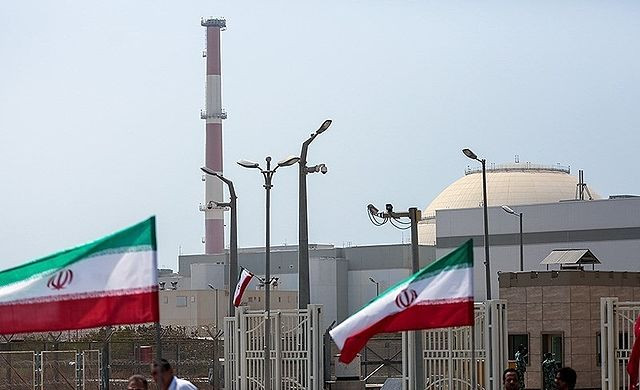
Ras Laffan Industrial City, located northeast of Doha, functions as the backbone of Qatar's energy sector and a central node in global LNG supply chains. The facility supplies gas to Europe and Asia, making disruptions there immediately visible in international markets.
The market reaction was swift:
- European gas futures rose approximately 35%
- Ras Laffan accounts for about 20% of global LNG exports
- The facility supports critical supply routes to Europe and Asia
Qatar's Ministry of Interior said fires triggered by the strikes were "preliminarily under control," and no casualties have been reported. Even so, the damage has heightened concerns among energy traders and policymakers about the vulnerability of critical infrastructure in the Gulf.
The strike marks a shift in regional conflict dynamics, moving beyond military targets toward economic infrastructure. Iran said the attack was retaliation for an earlier Israeli strike on its South Pars gas field, signaling a widening scope of engagement.
Regional governments warned of broader consequences. Qatar's foreign ministry said the attack risked pulling additional countries into the conflict, while Gulf states reported multiple missile and drone interceptions in recent days.
Saudi Arabia intercepted missiles aimed at Riyadh, while the United Arab Emirates said its air defenses engaged incoming threats near Abu Dhabi, forcing temporary disruptions at a major gas facility.
Energy analysts said the timing compounds existing market fragility. The global gas market remains sensitive following disruptions linked to the Ukraine conflict, and any sustained interruption at Ras Laffan could exacerbate supply constraints.
Rachel Ziemba of the Centre for a New American Security noted that earlier disruptions had already affected production, warning that further pressure could build on regional systems even if immediate supply shocks remain contained.
Babak Hafezi, Professor of International Business, said higher LNG prices would disproportionately impact lower-income countries, potentially forcing reductions in energy consumption and slowing economic growth.
The strike also coincided with planned diplomatic efforts in the region. Saudi Arabia had been preparing to host foreign ministers from Arab and Muslim nations to address escalating tensions, but the attack has shifted focus toward energy security and infrastructure protection.