Donald Trump said U.S. energy prices will fall sharply once the conflict involving Iran ends, even as gasoline costs across the United States climb to their highest level in four years, reshaping household budgets and fueling broader economic concerns.
The national average price for gasoline reached $4.30 per gallon on April 30, according to the American Automobile Association, marking a 44% increase from $2.98 per gallon before U.S. and Israeli strikes on Iran began on February 28. The surge reflects supply disruptions tied to instability in the Strait of Hormuz, a critical global energy corridor now constrained by military activity and blockades.
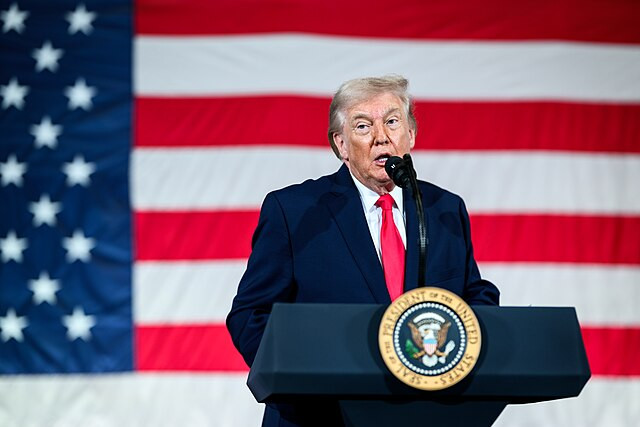
Trump, speaking to reporters, maintained a confident outlook despite the volatility. "The gas will go down," he said. "As soon as the war is over, it will drop like a rock."
The president's projection comes after weeks of shifting timelines from administration officials. Early in the conflict, Energy Secretary Chris Wright suggested prices could fall below $3.00 per gallon "before too long," but later acknowledged that such a timeline had become "an aggressive time frame now."
Trump himself has offered varying assessments. In an April 13 interview on Fox News' Sunday Morning Futures, he said prices "could be the same or maybe a little bit higher" heading toward midterm elections, before later stating they would be "much lower before midterm." Treasury Secretary Scott Bessent added another range, saying he was "optimistic" prices could reach $3.00 per gallon between June 20 and September 20, 2026.
Meanwhile, the economic impact has already spread beyond fuel pumps:
- Gasoline: $4.30 per gallon average (up 44% since February)
- Diesel: Approximately $5.50 per gallon (up from $3.76)
- California: Prices exceeding $6.00 per gallon
- U.S. Postal Service: 8% fuel surcharge on select services
- Amazon: 3.5% logistics surcharge on third-party sellers
- Unilever: Price increases of 2% to 3% tied to transport costs
Rising energy costs are also feeding into broader inflation expectations. Ken Foster, an agricultural economist at Purdue University, told the Associated Press that food prices typically lag energy spikes by several months, suggesting consumers may face additional increases later in the year. The United Nations World Food Programme has warned that prolonged disruption could push 45 million more people into hunger globally.
The White House and its allies have framed the price surge as a manageable consequence of geopolitical strategy. Trump argued that analysts had warned oil could reach $300 per barrel, adding that current levels near $100 suggest the impact is less severe. Officials have repeatedly described the situation as "a small price to pay."
Former Republican National Committee chairman Michael Whatley echoed that framing in a Breitbart News interview, stating prices are "not nearly as high as they were in the Biden administration, and they're not as high as they would have been if the President hadn't taken those steps to unleash American energy," while acknowledging costs are "currently too high."
Public sentiment appears to be shifting alongside the data. A CNBC All-America Economic Survey conducted in mid-April found nearly 80% of Americans had already adjusted their spending habits due to rising fuel prices, with a majority expecting elevated costs to persist for at least six months.