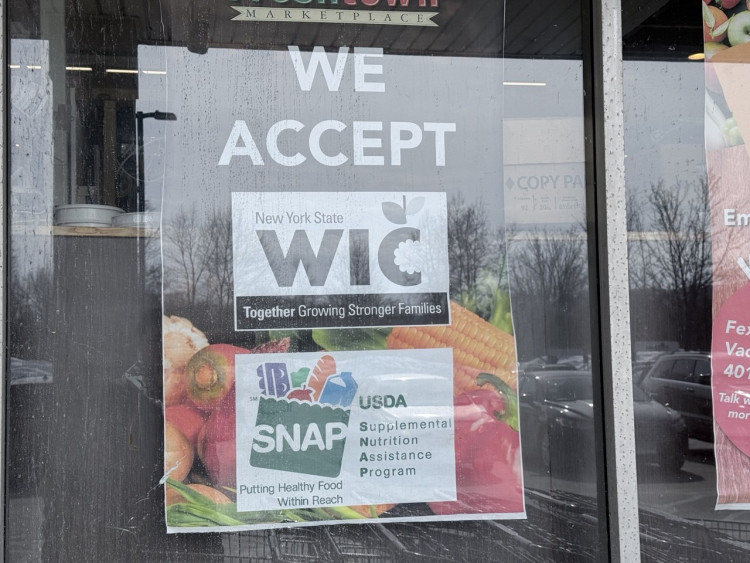
Enrollment in the Supplemental Nutrition Assistance Program, or SNAP, has declined by nearly 3.5 million people since mid-2025, according to federal data cited by The Wall Street Journal, as new eligibility rules introduced under the U.S. Department of Agriculture reshape access to food assistance across the United States.
The drop-an estimated 8% reduction within roughly six months-follows policy changes that expand work requirements for adults and restrict eligibility for certain immigrants. The changes mark one of the most significant shifts in the program's structure in recent years, affecting millions of low-income households.
Under the revised rules, able-bodied adults aged 18 to 64 without dependent children must now meet stricter participation standards. Recipients are required to work, volunteer, or engage in job training for at least 80 hours per month, extending the previous age threshold of 54 and narrowing exemptions that had allowed broader access.
At the same time, eligibility criteria for non-U.S. citizens have tightened. Reports indicate that some legally present individuals-including refugees, asylum seekers, and human trafficking survivors without permanent residency-are no longer eligible for benefits, reversing prior policy that allowed access during transitional periods.
The impact has varied significantly by state:
- Arizona: SNAP participation has dropped by approximately 50%
- Virginia: Enrollment has declined by about 13%
"These large state drops in SNAP caseloads represent a fundamental restructuring of the food-assistance safety net," said Colleen Heflin, a professor at Syracuse University who studies food insecurity, speaking to The Wall Street Journal. She warned the changes could lead to "a surge in food insecurity."
Federal officials have defended the overhaul as a necessary step to strengthen program integrity and reduce spending. A USDA spokesperson said the agency will continue "to serve those with the greatest need," while also addressing concerns about waste and fraud.
Budget projections suggest substantial fiscal impact. The Congressional Budget Office estimates the updated requirements will reduce SNAP expenditures by approximately $68.6 billion over the next decade, reflecting both reduced enrollment and stricter qualification standards.
Advocacy groups, however, argue that the policy shift disproportionately affects vulnerable populations already navigating complex legal and economic barriers. Joseph Llobrera of the Center on Budget and Policy Priorities said, "This is only hurting people who are highly documented," emphasizing that many affected individuals have undergone extensive vetting processes.
Concerns have also been raised about the timing of the restrictions. Refugees and asylum seekers must now wait until they obtain permanent residency before qualifying, a process that can take a year or longer. "Taking away their food stamp access during their first year in the United States is really pulling the rug out from under their ability to find their footing," said Julia Gelatt of the Migration Policy Institute.