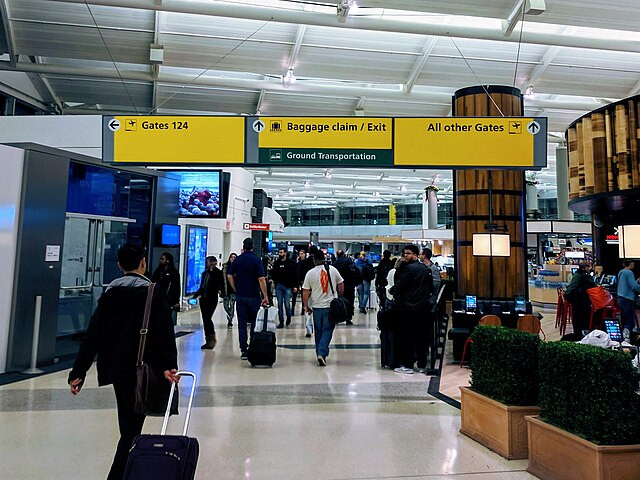
A month into the Department of Homeland Security shutdown, the strain on U.S. air travel is no longer theoretical. The Transportation Security Administration, which screens millions of passengers each week, is grappling with a sharp rise in absenteeism, depleted backup staffing and growing warnings from agency leadership that some airports could face partial or full shutdown scenarios if officers keep calling out.
The pressure point is staffing. Acting Deputy TSA Administrator Adam Stahl told CBS News the agency has "fully depleted" its National Deployment Office reserves, the mobile pool of officers used to plug gaps around the country. He added that "there could be scenarios where we may have to shut down airports" if unscheduled absences continue to climb.
The deterioration has been swift. TSA says roughly 10% of its 50,000-person workforce failed to report for duty on Tuesday, March 17, a sharp jump from the typical unscheduled absence rate of under 2%. At the same time, major hubs have reported checkpoint closures, longer lines and mounting pressure on officers still on the job.
Several airports have been hit especially hard:
- Atlanta (ATL): A main checkpoint at Hartsfield-Jackson was closed after a 37% sick-call rate.
- Houston: William P. Hobby reported a 55% absence rate on one recent day, while wait times at George Bush Intercontinental topped 103 minutes.
- New Orleans (MSY): Nearly 40% of officers did not report for duty on Tuesday.
- Philadelphia (PHL): Half of the airport's security checkpoints were shuttered Wednesday as staffing fell below operational thresholds.
The operational stress is colliding with a human one. TSA officers have now missed multiple paychecks under the partial government shutdown that began on February 14, leaving many essential workers reporting for duty without compensation. Stahl described "heartbreaking" scenes of officers sleeping in their cars at airports because they could not afford the gas to drive home.
Elsewhere, the fallout has turned more severe. In South Florida, Feeding South Florida has opened pop-up food distributions for TSA families, while some officers have reportedly sold plasma to cover transportation and food costs. A joint letter from major airline CEOs to Congress called the situation "simply unacceptable" and said it is "difficult, if not impossible" for these essential workers to put food on the table while working for $0.
The political trigger lies in the broader standoff over DHS appropriations. The department has been unfunded for more than 30 days after lawmakers failed to resolve disputes tied to immigration enforcement and the wider homeland security bill. At his March 18 confirmation hearing, DHS secretary nominee Markwayne Mullin said the impasse "puts our homeland and the peace of mind of the American people at risk."
The immediate danger for travelers is delay, but the deeper problem is attrition. TSA has recorded 305 employee separations since the shutdown began, according to the figures cited in the source material. That loss is not easily reversed. Training a new officer typically takes four to six months, meaning a prolonged funding lapse could echo well beyond spring travel into the summer rush and preparations for major global events set to bring more travelers into the United States.