The White House is facing a fresh backlash after publishing official photographs of President Donald Trump at the dignified transfer of six U.S. Air Force airmen at Dover Air Force Base, despite an explicit request from the families that the ceremony remain private. The dispute has intensified scrutiny of how the administration is handling military mourning rituals, particularly after a separate controversy earlier this month involving fundraising tied to imagery from another transfer ceremony.
The March 18 ceremony in Delaware honored six service members killed when a KC-135 Stratotanker crashed on March 12 during a combat mission over western Iraq. Fox News correspondent John Roberts reported on air that "At the request of the families, the dignified transfer is going to remain private. There will not be any cameras." The press complied with that restriction. The White House later posted images anyway.
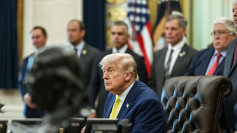
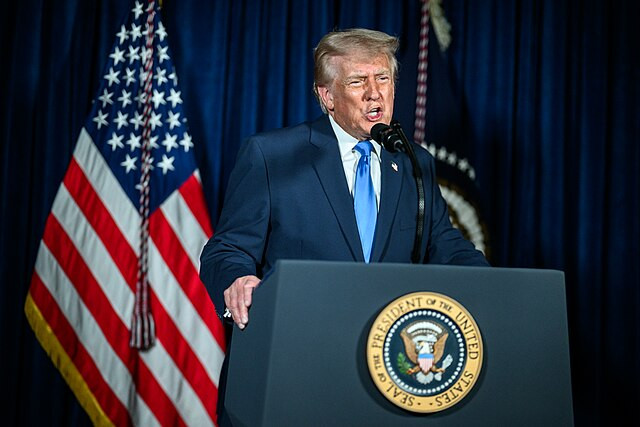
According to the material provided, the White House uploaded five photographs to its official X account and another 12 to its official Flickr page. The posts showed Trump attending the transfer and were accompanied by captions including: "President Donald J. Trump attends the dignified transfer of six American heroes who made the ultimate sacrifice in a refueling plane crash while serving our nation. May God bless them and their families." Another read: "Their courage will never be forgotten."
Neither post, based on the source material, indicated that family permission had been obtained. That omission has become the center of the controversy because dignified transfers have long been treated as ceremonies governed by the wishes of surviving relatives, with media access dependent on family consent.
The Pentagon identified the six airmen as:
- Maj. John A. Klinner, 33, of Auburn, Alabama
- Capt. Ariana G. Savino, 31, of Covington, Washington
- Tech. Sgt. Ashley B. Pruitt, 34, of Bardstown, Kentucky
- Capt. Seth R. Koval, 38, of Mooresville, Indiana
- Capt. Curtis J. Angst, 30, of Wilmington, Ohio
- Tech. Sgt. Tyler H. Simmons, 28, of Columbus, Ohio
They were assigned to the 6th Air Refuelling Wing at MacDill Air Force Base in Florida and the 121st Air Refuelling Wing at Rickenbacker Air National Guard Base in Ohio. U.S. Central Command said the crash occurred over friendly territory in western Iraq and was "not due to hostile fire or friendly fire." Their deaths, according to the source material, brought the U.S. military death toll in Operation Epic Fury to at least 13.
The latest episode did not arise in a vacuum. It followed a separate March 7 dignified transfer at which Trump honored six Army soldiers killed in an Iranian drone strike at a command center in Port Shuaiba, Kuwait, on March 1. That earlier ceremony generated criticism after Trump attended wearing a white baseball cap carrying "USA" in gold lettering and "45-47" on the side.
Critics argued that the tone of the event had been compromised. Former Republican National Committee chairman Michael Steele wrote on X: "This fool has ABSOLUTELY no sense of dignity or appreciation for the moment. It is called the Dignified Transfer for a reason. Take your damn hat off!!" California Gov. Gavin Newsom posted video of the ceremony and wrote: "Take your hat off, you disgusting little man."
The controversy widened further when, according to the source material, a political action committee linked to Trump, Never Surrender, Inc., later used an official White House photograph from the March 7 transfer in a fundraising email. The email promoted what it called a "National Security Briefing Membership" and urged supporters to "claim your spot" with donations of up to $1,000. The image showed Trump saluting as a flag-draped transfer case passed in front of him.
What makes the March 18 episode more politically damaging is that it appears to move beyond questions of tone and into a direct conflict with the wishes of grieving relatives. Dignified transfers are among the most sensitive rituals in American public life, in part because they sit at the intersection of military tradition, presidential symbolism and private loss. Once the families' preference becomes clear, any effort to publicize the moment risks being seen less as tribute than as appropriation.