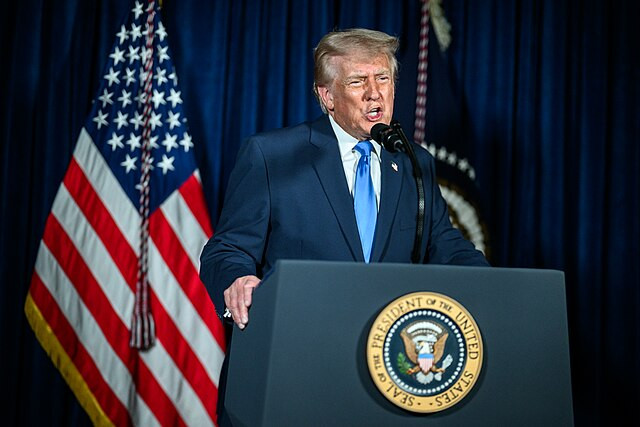
Donald Trump faced a wave of criticism after delivering an extended and highly detailed description of a proposed "magnificent ballroom" while speaking to reporters aboard Air Force One, remarks that quickly circulated online and drew scrutiny over tone and timing.
During the mid-flight exchange, Trump outlined an ambitious vision for the project, emphasizing architectural features and scale while asserting it would rival historic landmarks. He described the planned structure as the "greatest ballroom anywhere in the world," adding that it would align with the White House in both height and design.
The president also stressed that the project would not rely on taxpayer funding, saying it would be financed through private donors. He referenced additional elements tied to the development, including infrastructure below the structure, though details remained limited in the exchange.
At several points, Trump appeared to acknowledge the length of his remarks even as he continued elaborating. He said he was "so busy" and did not have time for such presentations, a statement that critics later highlighted as inconsistent with the extended nature of his explanation.
The remarks unfolded against a backdrop of ongoing geopolitical tensions and domestic economic concerns, amplifying reaction across political and media circles. Critics argued that the focus on a large-scale, high-end construction project felt disconnected from more immediate national priorities.
Clips of the exchange spread rapidly across social media platforms, where detractors pointed to the juxtaposition between the ballroom discussion and references to broader responsibilities, including what Trump described as "fighting wars and other things." The phrasing became a focal point for criticism, with commentators suggesting it underscored a mismatch between messaging and circumstance.
The episode has also reignited broader debate over presidential priorities and public perception. Some analysts argue that high-profile projects emphasizing prestige can carry political risk when economic pressures and international conflicts dominate public attention.
Supporters of the president, however, have defended the proposal as a privately funded initiative intended to enhance official hosting capacity and reinforce the symbolic stature of the presidency. They contend that such projects are consistent with long-standing traditions of upgrading and maintaining executive facilities.