A two-week ceasefire between Iran and U.S.-aligned forces has elevated Pakistan to an unexpected diplomatic role, with officials in Islamabad acting as a critical intermediary between Donald Trump and Iranian leadership during a period of escalating conflict and maritime risk in the Strait of Hormuz.
The temporary truce, announced in early April, followed weeks of indirect negotiations in which Pakistan relayed proposals, counteroffers and strategic messaging between Washington and Tehran. The arrangement has paused military operations while opening a narrow window for further talks expected to take place in Islamabad.
Pakistan's involvement began in mid-March, when direct communication channels between the U.S. and Iran remained limited. Officials in Islamabad transmitted a U.S. framework that included elements such as sanctions relief, nuclear constraints and phased de-escalation measures.
At the same time, Pakistani officials coordinated with regional actors, including Egypt and Turkey, to outline a sequencing approach: an immediate halt to hostilities followed by structured negotiations. The objective was to create diplomatic space without forcing either side into premature commitments.
The mediation effort was supported at multiple levels of Pakistan's leadership. Army Chief Asim Munir reportedly maintained direct engagement with Trump, while Prime Minister Shehbaz Sharif communicated with Iranian officials, including President Masoud Pezeshkian.
As tensions intensified in late March and early April, concerns grew over potential disruption to global oil flows through the Strait of Hormuz. Pakistani officials pushed for a limited ceasefire window, with Sharif publicly advocating for time to allow diplomacy to "run its course."
The resulting agreement included a pause in U.S. and allied strikes and indications from Iran that it would reduce escalation, including facilitating safer maritime passage. Trump later acknowledged Pakistan's role in securing the arrangement, underscoring the country's influence in the negotiation process.
Pakistan's emergence contrasts with the traditional mediators in U.S.-Iran disputes, such as Oman and Qatar. Analysts point to several factors behind the shift:
- Direct access: Pakistan maintained active communication channels with both Washington and Tehran
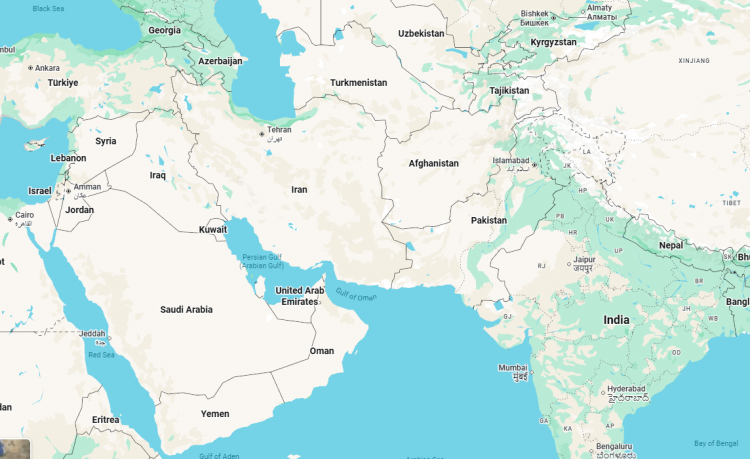
- Geographic proximity: A shared border with Iran provides strategic relevance
- Balanced positioning: Islamabad's relationships avoid overt alignment with either side
The country also has clear incentives to prevent prolonged conflict. Escalation risks disrupting regional trade routes, energy supplies and internal stability, particularly in sensitive border areas.
Historical ties between Pakistan and Iran further enabled the mediation effort. Iran was among the first nations to recognize Pakistan in 1947, and the two countries have sustained a working relationship through decades of shifting regional dynamics, including cooperation on border security and economic exchanges.
Kamran Bokhari, senior resident fellow at the Middle East Policy Council in Washington, told Reuters, "Pakistan hosting US-Iran talks represents a major upgrade in Islamabad's strategic standing. After decades of being a troubled state, Pakistan appears to be re-emerging as a major American ally in West Asia."