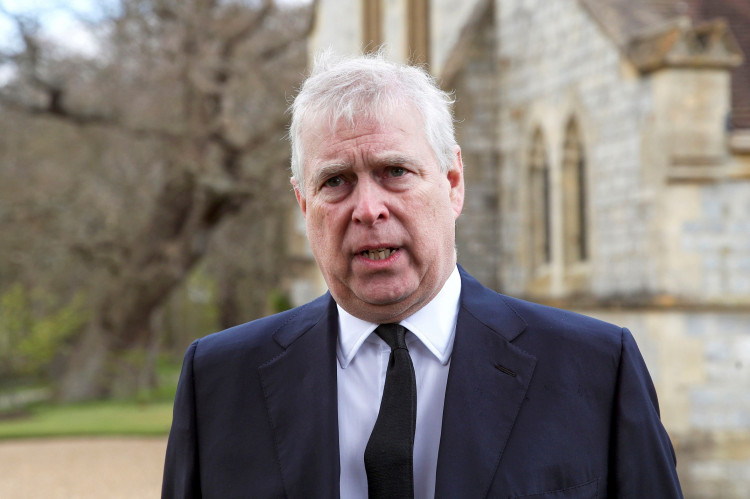
A new biography has intensified scrutiny of Prince Andrew, alleging that he exerted undue influence over Queen Elizabeth II during her final years, as questions surrounding his ties to Jeffrey Epstein continue to shape public and legal attention.
In Entitled: The Rise and Fall of the House of York, author Andrew Lownie writes that the late monarch's declining condition may have left her vulnerable to pressure. "By the end of her life, what people don't realise, is that she was completely gaga," Lownie wrote. "He would go up there and he would bully her into doing things."
The claims, which have not been independently verified, mark one of the most direct challenges to longstanding perceptions of the Queen's authority and composure during her final years. They also raise broader questions about decision-making within the monarchy during a period of transition.
Lownie's account suggests that operational control of royal affairs had already shifted before the Queen's death. "For the last few years, King Charles actually was running the show, rather than the Queen," he wrote, referring to King Charles III's role as heir apparent at the time.
The book's portrayal contrasts with the widely held image of Queen Elizabeth as a stabilizing figure who maintained firm oversight of royal duties throughout her reign. It instead presents a picture of internal dynamics that were more fluid and contested than publicly acknowledged.
Accounts cited from sources close to the royal household emphasize the Queen's longstanding loyalty to her son. One source told OK! magazine that "the Queen's instinct was maternal first," adding that she "was determined not to abandon her son publicly, and backed him to the hilt."
The same source described her approach to controversies surrounding Andrew, including his association with Epstein, as a matter of managing public perception rather than severing ties. "From her perspective, the photographs were deeply embarrassing, yet she saw them as a crisis to manage rather than grounds to cast Andrew aside," the source said. "She believed loyalty within the family had to be absolute, even when mistakes had been made."
The allegations arrive as Andrew faces renewed legal and reputational challenges. He was arrested by Windsor police on suspicion of misconduct in public office, according to reports, and has faced ongoing scrutiny over his interactions with Epstein during his tenure as the U.K.'s trade envoy.
Lownie further alleges that Andrew "gave away confidential information to other countries" and claims "there is insider trading there," assertions that have not been substantiated in court but contribute to the broader narrative surrounding his conduct.
The author also pointed to institutional concerns about potential legal exposure, writing, "Buckingham Palace don't want Andrew turning up in court saying, 'Everyone knew about this, this is why I am being penalised.'"
The release of millions of documents by the U.S. Department of Justice earlier this year, including communications involving Andrew and Epstein, has added to the pressure on the former royal. Meanwhile, King Charles has already stripped Andrew of his royal titles and official roles, underscoring the extent to which the controversy has reshaped his position within the monarchy.