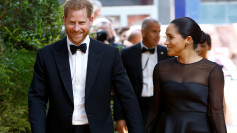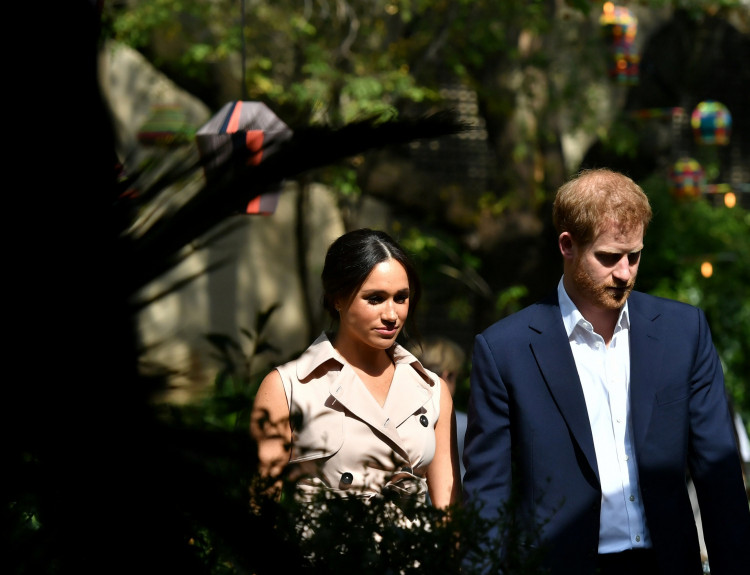
Meghan Markle and Prince Harry faced renewed scrutiny during their recent Australia visit, as unverified claims of a declined meeting with Robert Irwin coincided with criticism over a high-priced Sydney retreat, intensifying debate over the couple's post-royal strategy and brand positioning.
Reports circulated by celebrity outlets suggested the Sussexes had sought a meeting with Irwin at Australia Zoo in Queensland, an approach that was allegedly "politely declined." According to sources cited by New Idea, the decision was attributed to the Irwin family's longstanding ties to the monarchy and loyalty to Prince William. No official confirmation of the request or refusal has been issued by either side.
The reported outreach was framed by one insider as part of a broader alignment effort, with the source claiming that "aligning with the Irwins' worthy causes is something that Meghan and Harry could be on board with." The same account suggested concerns about royal optics influenced the outcome, noting Robert Irwin "didn't want to upset William" by engaging publicly with the Sussexes.
The Irwin family's association with the royal household has been visible in recent years, including collaborations with environmental initiatives tied to Prince William. Robert Irwin's role as an ambassador for the Earthshot Prize has reinforced those links, making any perceived alignment with the Sussexes politically sensitive within royal circles.
The reported snub, though unverified, highlights the extent to which the rift within the British Royal Family continues to shape interactions beyond formal palace settings. Analysts note that third-party figures increasingly navigate reputational considerations when engaging with either side of the divide.
At the same time, the Sussexes' commercial activities during the tour drew criticism. A Sydney-based wellness retreat, where attendees reportedly paid up to $3,199, became a focal point after complaints that Meghan's appearance was shorter than expected.
Guests cited in reports expressed dissatisfaction with the experience. One attendee questioned the value proposition, asking, "Why did Meghan Markle not even share a meal with women who had paid $3000 to spend 'retreat' time with her? How is that kind?" Another described the event structure bluntly: "Two hours? I thought it was a weekend retreat? WOW!"
Event organizers and Meghan's representatives maintained that expectations were misaligned rather than unmet. A spokesperson stated, "Meghan was always confirmed only to attend the retreat for her Q&A portion of the weekend," adding that "She had a lovely time sitting down and talking to [retreat host Gemma O'Neill] in front of such an engaging audience."
Additional criticism emerged over the commercial framing of the Sussexes' activities. Royal commentator Richard Palmer described the monetization strategy as "perhaps the starkest example yet of Harry and Meghan's efforts to commercialise their royal brand," warning that such moves could trigger "alarm bells ringing at the palace."
The debate reflects a broader tension surrounding the couple's hybrid identity as both former working royals and independent commercial figures. Supporters argue that the Sussexes are entitled to leverage their global profile, while critics contend that continued association with royal imagery blurs the boundary between public service and private enterprise.