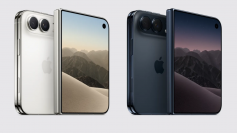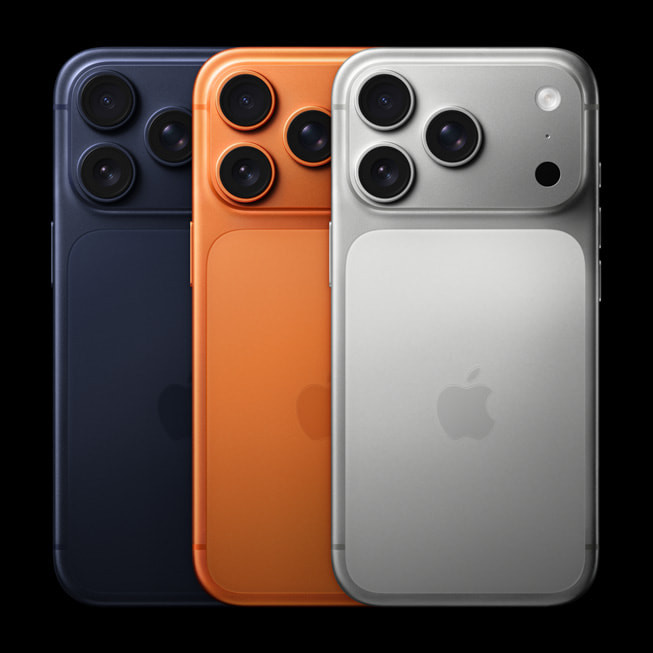
Apple Inc. is exploring a major restructuring of its premium product lineup, with internal plans pointing to a new "Ultra" tier that could introduce foldable iPhones and touchscreen MacBooks, according to reports citing sources familiar with the company's roadmap.
The proposed shift would extend Apple's existing branding hierarchy-currently anchored by standard and Pro models-into a new top tier designed to house experimental, high-end hardware. The changes, if realized, would mark one of the company's most significant adjustments to product segmentation in years.
The reported strategy includes development of a foldable smartphone-informally described as an "iPhone Ultra"-and a MacBook equipped with an OLED touchscreen display. Both products would sit outside Apple's traditional lineup and represent a departure from long-standing design conventions.
The information, first detailed by Macworld and echoed by AppleInsider, suggests Apple is positioning the Ultra category as a platform for entirely new device classes rather than incremental upgrades.
The foldable iPhone would mark Apple's entry into a segment already occupied by competitors, particularly Samsung Electronics, which has led the foldable smartphone market. Apple has historically delayed entry into emerging categories until it can refine usability and production at scale.
The MacBook concept represents an equally notable shift. Apple has consistently resisted adding touchscreens to its laptops, emphasizing the separation between macOS and touch-based interfaces. Introducing an OLED touchscreen would challenge that philosophy and potentially redefine how users interact with the Mac platform.
Industry analysts view the dual developments as part of a broader effort to manage diverging hardware paths:
- Foldable devices:
- New form factor beyond traditional smartphones
- Higher manufacturing complexity and cost
- Targeted at niche premium consumers
- OLED touchscreen MacBooks:
- Departure from non-touch laptop design
- Integration of advanced display technology
- Potential convergence of input methods
The "Ultra" branding itself is not new within Apple's ecosystem. The company has applied the label to its highest-end offerings, including the Apple Watch Ultra and its top-tier silicon chips. Extending the name to iPhones and Macs would create a clearer hierarchy above the existing Pro line.
Sources cited in the reports indicate that Apple intends to keep its core Pro lineup stable while using the Ultra category to test more ambitious hardware. This approach would allow the company to introduce limited-production devices at significantly higher price points without disrupting its mainstream products.
The roadmap aligns with product cycles extending toward 2027, suggesting a gradual rollout rather than an immediate launch. Apple has not publicly confirmed any foldable iPhone or touchscreen MacBook plans, and the timeline remains speculative.