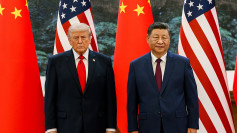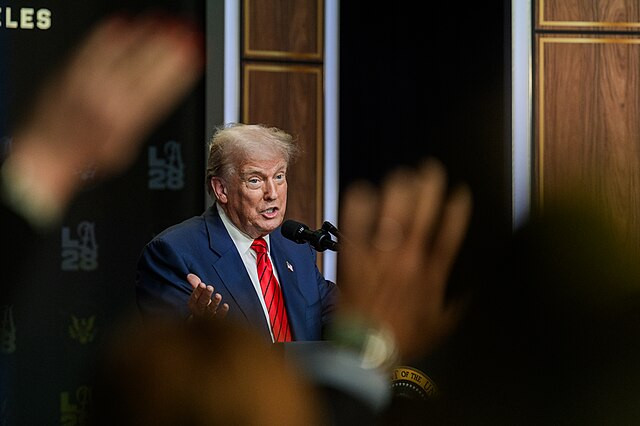
Donald Trump triggered a fresh credibility crisis for the White House after publicly revealing that a U.S. military strike against Iran had been scheduled for 19 May, only for key Middle Eastern allies to publicly distance themselves from his account of events within hours.
In a Truth Social post published on 18 May, Trump declared he had personally halted the operation after appeals from Gulf leaders including Tamim bin Hamad Al Thani, Mohammed bin Salman and Mohamed bin Zayed Al Nahyan. Trump framed the decision as evidence of his diplomatic leverage and claimed regional leaders believed "a Deal will be made, which will be very acceptable to the United States of America."
The post immediately raised questions because it appeared to confirm the existence of a previously undisclosed military operation. Trump wrote that he had instructed Defense Secretary Pete Hegseth, Joint Chiefs Chairman General Daniel Caine and the U.S. military that "we will NOT be doing the scheduled attack of Iran tomorrow," while simultaneously warning forces to remain prepared for "a full, large scale assault of Iran, on a moment's notice."
Until that moment, neither the White House nor the Pentagon had publicly acknowledged that a strike was imminent. Trump himself had repeatedly emphasized strategic ambiguity during the Iran conflict, once telling reporters: "Nobody knows what I'm going to do."
The fallout intensified the next day in Doha when Qatari Foreign Ministry spokesperson Dr. Majed Al-Ansari delivered a carefully worded response that sharply diverged from Trump's characterization. Speaking publicly on 19 May, Al-Ansari said: "Qatar's position has been clearly stated to our partners in the United States. The region must not be engulfed again in war, and any escalation would have an immediate effect on its peoples."
Notably absent from Qatar's statement was any endorsement of Trump's claim that a breakthrough agreement with Tehran was near. Instead, Al-Ansari emphasized that negotiations "need more time" and called for "giving diplomatic channels a chance for further discussions."
The gap between Trump's version of events and the Gulf states' public messaging exposed a deeper divide over the war itself. Gulf governments have spent months attempting to prevent the conflict from expanding across the region, particularly amid fears that Iranian retaliation could target energy infrastructure, shipping lanes and American military facilities hosted in neighboring countries.
Iran responded even more aggressively. Iranian officials accused Trump of manipulating the narrative surrounding negotiations and military escalation. President Masoud Pezeshkian said that "dialogue does not mean surrender," while Iranian foreign ministry spokesperson Esmail Baghaei warned Tehran was "prepared for any possibility."
The Iranian response also pointed to what officials described as a recurring pattern in Trump's public claims. In March, Trump asserted on social media that Tehran had initiated nuclear negotiations, writing: "they called, I didn't call." Iranian state-linked outlets and officials later denied that any formal talks had taken place.
The credibility issue surrounding Trump has extended beyond Iran diplomacy. During recent remarks, Trump claimed a former U.S. president privately told him they wished they had attacked Iran in the same way he had. CNN later reported that aides to all four living former presidents denied such conversations occurred.
The latest dispute unfolds against the backdrop of a widening Middle East conflict that began after U.S. and Israeli strikes on Iranian targets in February 2026. The administration has repeatedly argued that Tehran posed an urgent nuclear threat, although critics and some analysts have questioned whether the White House overstated intelligence assessments.
Washington-based analyst Osama Abu Irshaid told Al Jazeera that the administration was "exaggerating the nuclear threat exactly as the Bush administration did," adding: "In 2003, US intelligence was manipulated to align with the lie. In 2026, the intelligence assessments actually contradict Trump's claims."