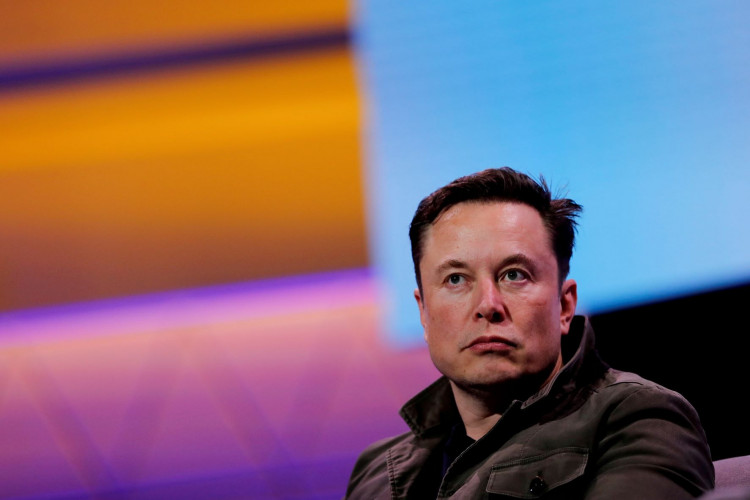
Elon Musk said he will appeal a California court ruling that dismissed his lawsuit against OpenAI and its top executives, escalating a legal battle over whether the company abandoned the nonprofit principles on which it was founded.
The decision, issued after a three-week trial in Oakland and formally adopted by US District Judge Yvonne Gonzalez Rogers, delivered a major victory to OpenAI chief executive Sam Altman and president Greg Brockman. A nine-person jury concluded that Musk waited too long to bring his claims, effectively ending the case without fully examining the substance of his allegations.
The lawsuit centered on Musk's argument that OpenAI transformed itself from a mission-driven nonprofit into a commercial artificial intelligence giant focused on profit and investor returns. Musk, who co-founded OpenAI in 2015 and invested roughly $38 million in its early years, argued that the company violated its original purpose by embracing a for-profit structure and deep partnerships with major corporate backers.
But jurors sided with OpenAI's statute-of-limitations defense after deliberating for roughly two hours. Under California law, the court found Musk either knew or reasonably should have known about OpenAI's structural shift years before he filed the lawsuit in 2024.
That timing issue proved decisive. Judge Gonzalez Rogers dismissed all claims against OpenAI, Altman, Brockman and key partner Microsoft without the court fully ruling on whether OpenAI had actually breached any founding agreement.
Musk quickly rejected the outcome as procedural rather than substantive. Posting on X after the verdict, he wrote that the case had been decided on a "technicality," adding: "There is no question to anyone following the case in detail that Altman & Brockman did in fact enrich themselves."
He also warned that the ruling could create broader implications for charitable organizations and major donors if courts refuse to examine disputes tied to evolving nonprofit structures years after they occur.
OpenAI defended its evolution throughout the trial, arguing that advanced artificial intelligence development requires enormous capital investment, computing infrastructure and long-term financing impossible to sustain under a purely nonprofit model. Lawyers for the company maintained there was never a binding promise preventing OpenAI from pursuing commercial arrangements.
The courtroom clash offered a rare public look into years of internal tensions surrounding one of Silicon Valley's most influential AI companies. Testimony and court filings revealed disputes over governance, control and strategic direction dating back to OpenAI's earliest years.
Musk portrayed the organization's transformation as a betrayal of its founding ideals. OpenAI executives countered that adapting commercially was essential to compete against rivals including Google and other rapidly expanding AI firms racing to dominate generative artificial intelligence.