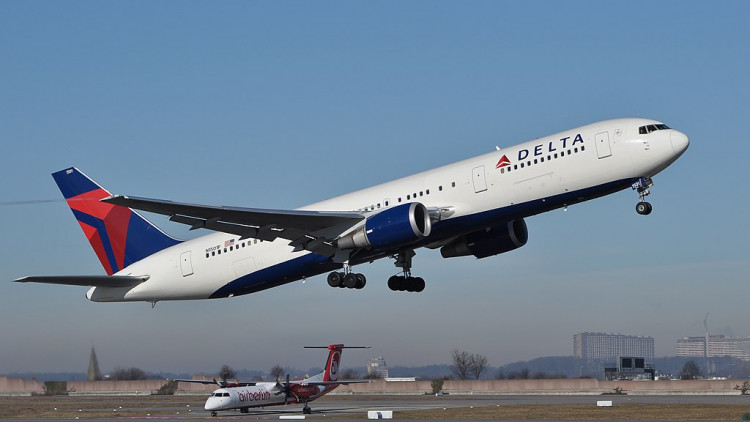
Delta Air Lines is facing a wave of passenger backlash after confirming it will eliminate complimentary snacks and beverages on hundreds of short-haul flights across the United States, a move set to take effect May 19 and reshape the baseline expectations for economy travel.
The policy change will impact approximately 450 daily routes under 350 miles, removing onboard food and drink service for passengers in Main Cabin and Comfort+ while preserving full service for first-class travelers. The adjustment marks one of the most visible reductions in onboard amenities by a major U.S. carrier in recent years.
Delta framed the shift as part of a broader operational recalibration. In a statement to People, a company spokesperson said: "Beginning May 19, Delta is adjusting onboard beverage service to create a more consistent experience across our network. Customers travelling in Delta Comfort and Delta Main on flights 350 miles and above will now receive full beverage and snack service, while shorter flights will no longer offer food and beverage service-with the exception of Delta First, which always receives full service."
The airline emphasized that service consistency-not cost-cutting-drove the decision, adding that cabin crews would continue to prioritize passenger care even in the absence of traditional refreshments. Yet the explanation has done little to blunt criticism from frequent flyers and industry observers.
For many passengers, the removal of complimentary snacks-long considered a baseline feature of domestic air travel-has become a symbolic flashpoint. Online reactions have highlighted a perceived erosion of value, particularly as ticket prices remain elevated and airline profitability improves in certain segments.
Industry analysts point to structural pressures shaping airline decision-making, including:
- Rising jet fuel costs compressing operating margins
- Persistent labor and maintenance expenses
- Increasing reliance on premium cabin revenue streams
Delta's move is not without precedent. The airline eliminated snack service on flights under 250 miles in 2015, gradually scaling back offerings in subsequent years. The new threshold extends that strategy, effectively removing refreshments from a broader swath of short-haul operations.
The change also underscores a widening bifurcation in the passenger experience. While economy travelers lose access to complimentary basics, premium passengers continue to receive full service regardless of distance, reinforcing a tiered model that prioritizes higher-yield customers.
That dynamic aligns with Delta's long-term commercial strategy, which has increasingly emphasized premium cabins, loyalty programs, and ancillary revenue streams as core growth drivers. However, the trade-off risks alienating price-sensitive travelers who may perceive diminishing returns on standard fares.