Elon Musk became an unexpected viral sensation in China after a visibly awkward photo moment during a high-profile state dinner hosted by Xi Jinping overshadowed the evening's carefully choreographed diplomatic messaging.
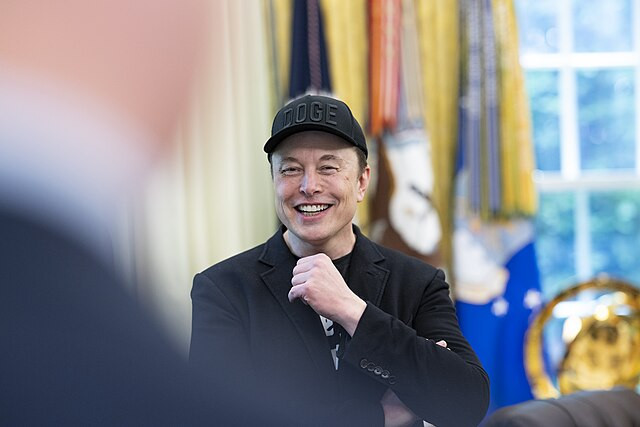
The Tesla and SpaceX chief was attending the Beijing banquet alongside senior American officials, global technology executives and business leaders during a summit centered on trade, artificial intelligence and economic cooperation between the United States and China. But online attention quickly drifted away from geopolitics and toward Musk's facial expressions during a selfie request from Lei Jun.
Within hours, clips of the exchange spread widely across Chinese social media platforms, where users jokingly branded Musk an "occasional villain," a tongue-in-cheek description reflecting his unusual combination of celebrity admiration, unpredictability and controversy.
The incident unfolded shortly before the formal dinner began.
Lei, the founder of Chinese electronics giant Xiaomi and a longtime admirer of Musk, reportedly approached the billionaire entrepreneur for a photograph. Lei has previously spoken publicly about his respect for Musk and was among the earliest high-profile owners of Tesla vehicles in China.
Instead of the smooth diplomatic photo opportunity typical of such events, Musk appeared visibly uncomfortable in footage circulated online. Videos showed him raising his eyebrows and exhaling dramatically moments before the picture was taken, triggering immediate speculation about whether he was irritated, exhausted or simply caught off guard.
Chinese users dissected the expressions frame by frame.
Some joked that Lei had been "humbled by his hero," while others interpreted the reaction as evidence of Musk's notoriously unpredictable public demeanor. Memes and commentary rapidly spread across Weibo and other Chinese platforms, transforming a brief social interaction into one of the summit's most discussed moments online.
The phrase "occasional villain" soon emerged as a recurring label attached to Musk in social media discussions.
The nickname reflects a broader tension surrounding Musk's image in China, where he occupies an unusual cultural position. Tesla remains one of the most influential foreign automotive brands in the Chinese electric-vehicle market, and Musk is widely admired for his role in advancing EV technology and commercial spaceflight.
At the same time, he has periodically faced backlash from regulators, consumers and domestic competitors as China's own electric-vehicle industry expands aggressively.
That contradiction was on display in Beijing. Musk attended the summit not merely as a celebrity executive but as a businessman whose fortunes remain deeply tied to China. Tesla's Shanghai Gigafactory continues to play a central role in the company's global production network, and China represents one of Tesla's most strategically important markets.
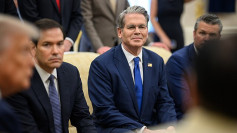
The state dinner itself was designed to emphasize economic cooperation amid strained geopolitical relations between Washington and Beijing.
Alongside Musk, attendees reportedly included Tim Cook and Jensen Huang, with discussions focused on artificial intelligence, semiconductor competition, advanced manufacturing and trade stability.
Chinese officials used the summit to reinforce the message that Beijing remains open to foreign investment despite rising tensions with the United States.
Xi reportedly emphasized continued cooperation with major American companies, while Musk publicly struck a conciliatory tone regarding China's importance to Tesla's future.
"I hope to achieve many good things," Musk reportedly said during the visit.