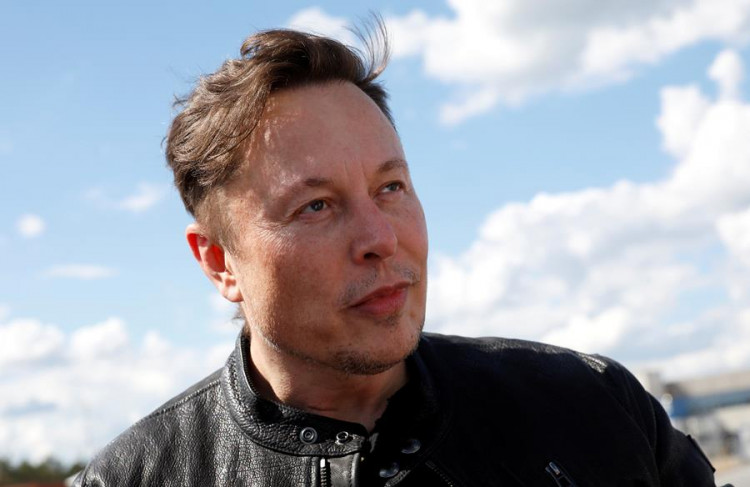
Elon Musk's staggering $132 billion compensation package from Tesla has intensified scrutiny of executive pay practices across Corporate America, arriving at a moment when average U.S. workers continue struggling with the lingering effects of inflation despite modest wage gains.
The package, one of the largest executive compensation arrangements ever tied to a publicly traded company, comes as new figures show median chief executive pay at S&P 500 companies climbed to $17.7 million in 2025, while the median employee earned $89,744. The widening disparity has become a fresh flashpoint in debates over corporate governance, shareholder incentives and economic inequality.
Unlike traditional salary-heavy compensation structures, Musk's package is built almost entirely around long-term equity awards linked to Tesla's market capitalization and operational targets. Supporters argue the structure rewards extraordinary value creation. Critics counter that the sheer scale of the payout reflects a compensation culture increasingly disconnected from the financial realities facing ordinary workers.
The timing has sharpened the contrast. CEO compensation rose nearly 6% in 2025, according to newly released compensation data, while employee pay increased 4.7%. Although wage growth technically outpaced inflation last year, many households remain burdened by years of elevated housing, grocery and transportation costs that have not meaningfully retreated.
For Tesla's board and many investors, the rationale behind Musk's package is straightforward: retain the entrepreneur most closely associated with the company's explosive growth in electric vehicles, energy storage and autonomous driving technology.
Tesla's market value surged dramatically in the years preceding the award, transforming the company into one of the world's most valuable automakers and elevating Musk into a uniquely influential position in global business. Supporters of the compensation structure argue such rewards are tied directly to shareholder outcomes rather than guaranteed cash payouts.
Boards increasingly favor these stock-heavy arrangements because they are designed to align executive interests with investor returns. If the company performs, executives profit alongside shareholders. If performance weakens, the value of the compensation theoretically falls as well.
That logic has become increasingly common across Corporate America as companies compete aggressively for high-profile leadership talent. Directors often argue that ambitious executives overseeing complex multinational businesses require incentives large enough to discourage them from leaving, reducing involvement or splitting focus across competing ventures.
Musk's defenders frequently point to Tesla's role in reshaping the automotive industry itself. Under his leadership, Tesla helped push electric vehicles into the mainstream while influencing global conversations around batteries, renewable energy and artificial intelligence-powered transportation systems.
Yet the broader economic backdrop has complicated public reception to such outsized awards.
While headline inflation cooled in 2025, many Americans continue adjusting household budgets after several years of rising living costs. Workers across industries have increasingly relied on credit cards, reduced discretionary spending and delayed savings goals even as official wage data improved.
That disconnect fuels criticism from labor advocates and governance analysts who argue modern compensation systems disproportionately reward executives while employees absorb the risks associated with economic downturns, layoffs and cost pressures.
Critics also note that even though many executive packages remain performance-based, top corporate leaders often retain enormous wealth accumulated from previous stock grants regardless of future volatility. Workers rarely possess comparable financial cushions.
The debate surrounding Musk's package therefore extends beyond Tesla itself. It reflects a broader argument over what constitutes fair compensation in an economy where shareholders and executives have frequently captured the largest gains from rising asset values while wage growth for rank-and-file employees remains comparatively limited.
The latest compensation figures illustrate how sharply those worlds can diverge:
- Median S&P 500 CEO pay in 2025: $17.7 million
- Median employee pay in 2025: $89,744
- CEO compensation increase in 2025: nearly 6%
- Median worker pay increase in 2025: 4.7%
- Elon Musk's reported Tesla package: $132 billion