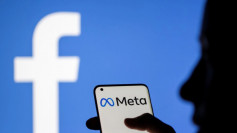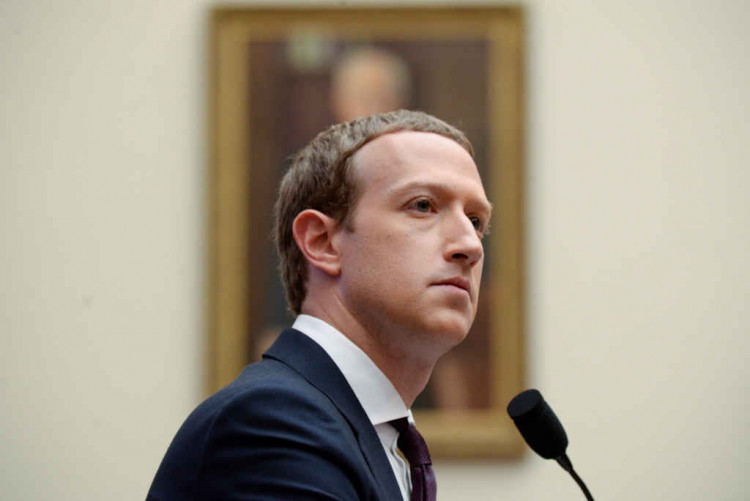
Mark Zuckerberg told Meta employees during a closed-door town hall that the company's artificial intelligence initiatives have not progressed as quickly as leadership expected, according to leaked audio that has intensified scrutiny of Meta's multibillion-dollar AI strategy following thousands of layoffs and an unprecedented increase in capital spending.
The recording, reportedly from a July 2 employee meeting in California, surfaced just weeks after Meta eliminated roughly 8,000 jobs and reorganized much of the company around artificial intelligence. The remarks have fueled investor concerns over whether one of Silicon Valley's largest AI investments is delivering results fast enough to justify its cost.
According to the leaked audio, Zuckerberg acknowledged that Meta's AI agent development over the previous four months "hasn't really accelerated in the way that we expected." He also told employees that the company's restructuring had not unfolded as smoothly as management envisioned, adding that several strategic initiatives "haven't come to fruition yet."
Despite those setbacks, Zuckerberg attempted to reassure employees that the changes would still produce "meaningful benefits" within the next three to six months, suggesting executives continue to view the current transition period as temporary rather than structural.
The comments stand in contrast to the message Zuckerberg delivered during Meta's workforce reduction in May. At the time, he described artificial intelligence as the company's defining priority, writing that "AI is the most consequential technology of our lifetimes" and arguing that companies leading the field would "define the next generation." The layoffs were presented internally as part of a broader effort to redirect resources toward AI development.
Meta has since outlined one of the most aggressive spending programs in the technology sector. The company expects capital expenditures of between $125 billion and $145 billion in 2026-more than double the approximately $72.2 billion spent the previous year-with most of the investment directed toward AI infrastructure.
The expansion includes several major commitments:
- An expanded infrastructure agreement with CoreWeave valued at roughly $21 billion through 2032.
- A previously announced partnership centered on a 6-gigawatt AMD GPU deployment to support AI computing.
- Continued investment in data centers and large-scale AI model training.
The scale of those commitments has prompted questions from analysts and investors, particularly as reports indicate Meta may rent portions of its computing capacity to outside customers. While supporters argue the strategy could improve returns on expensive infrastructure, critics contend it may also suggest the company has more AI computing power than it can currently utilize internally.
The leaked remarks arrive during a broader restructuring that reshaped Meta's workforce. Approximately 8,000 employees left the company during the May layoffs, while thousands of others were reassigned into AI-focused organizations. AI infrastructure, foundation model development and AI monetization teams were largely preserved, whereas other divisions-including integrity, cybersecurity, content design and Reality Labs-experienced deeper reductions. The company also reportedly canceled approximately 6,000 planned hires.
Meta executives have previously acknowledged uncertainty surrounding the company's long-term workforce needs. Chief Financial Officer Susan Li told investors during the first-quarter earnings call that executives "don't really know what the optimal size of the company will be in the future," underscoring how rapidly AI investments are reshaping hiring priorities across the business.
Employee morale has also drawn attention following the restructuring. Some workers have expressed concern that AI initiatives are replacing traditional roles rather than augmenting them. Reports citing employee feedback suggest growing unease among remaining staff, even though laid-off U.S. employees received severance packages that included 16 weeks of base pay, additional compensation based on tenure and extended healthcare benefits.
Meta executives have sought to counter the narrative emerging from the leaked recording. Chief AI Officer Alexandr Wang argued on X that Zuckerberg's comments were being interpreted without sufficient context, saying the CEO had been discussing the broader industry's progress in developing autonomous AI agents rather than describing a failure unique to Meta.
Wang also pointed to upcoming AI releases, including improvements to Meta's Muse Spark model and the company's next-generation large language model, code-named "Watermelon." He said the future model would be competitive with leading AI systems, including OpenAI's latest offerings, although those performance claims have not been independently verified.