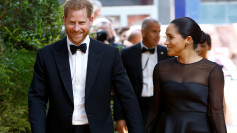
Prince Harry and Meghan Markle are once again at the center of royal speculation after a new magazine report claimed King Charles III privately warned the Duke of Sussex against making demands on Meghan's behalf ahead of a possible return to Britain later this summer.
The report, which remains unverified and has not been confirmed by Buckingham Palace or the Sussexes, arrives as tensions between Prince Harry and the royal family continue to simmer years after the couple stepped back from senior royal duties and relocated to California in 2020.
According to the claims circulating in British tabloid coverage, the King has grown frustrated with what palace insiders allegedly view as Harry approaching family reconciliation primarily through Meghan's perspective. The report further suggests Charles is becoming increasingly reluctant to negotiate under conditions tied to security arrangements, media treatment and family interactions.
The timing is significant because Prince Harry himself has repeatedly stated that security concerns remain the primary reason Meghan and their children have not returned to the United Kingdom more frequently. In a BBC interview last year, Harry openly discussed his desire for "reconciliation" while arguing that Britain no longer felt safe enough for his family without enhanced protection.
That public position has shaped nearly every subsequent conversation around a possible royal reunion. It has also created fertile ground for speculation about what conditions, if any, might accompany a future visit involving Meghan Markle.
The latest report claims Harry may return to Britain in July, though no official schedule has been announced. Within that context, the alleged "ultimatum" from King Charles has quickly fueled another round of divorce rumors and palace intrigue online, despite the lack of direct evidence supporting the claims.
Royal commentator Pauline Maclaran was cited in the reporting as arguing that Harry is in no position to make demands of the monarchy, reflecting a broader sentiment among some royal observers who believe the Sussexes damaged trust within the institution through public interviews, documentaries and Harry's memoir, "Spare."
At the same time, the reporting highlights a recurring divide in how the royal family conflict is framed publicly. Supporters of Harry and Meghan often argue the couple is attempting to establish boundaries after years of pressure and scrutiny, while critics portray those same boundaries as obstacles to reconciliation.
That tension has become one of the defining themes of the post-royal Sussex era. Since leaving Britain, Harry and Meghan have repeatedly accused palace institutions and sections of the British media of fostering a hostile environment. The couple's 2021 interview with Oprah Winfrey, in particular, deepened fractures inside the monarchy after allegations involving racism and mental health support shook the royal household.
The new claims also revive familiar narratives surrounding Meghan's influence over Harry. According to Heatworld, King Charles allegedly wonders whether Meghan has contributed to Harry's increasingly confrontational stance toward the family.
Such portrayals, however, remain deeply contested and rely heavily on unnamed sources and speculative commentary rather than public evidence. Critics of royal tabloid culture have long argued that royal wives are frequently blamed for broader institutional conflicts inside the monarchy.
Prince William's role in the dispute also remains a subject of speculation. The latest reporting suggests the Prince of Wales remains more skeptical than his father about repairing relations with Harry, though there has been no official statement supporting that characterization.
The visible reality, however, is harder to dispute. Public appearances involving William, Kate Middleton, Harry and Meghan have become increasingly rare and visibly strained since the Sussexes' departure from royal life. Their brief joint walkabout following Queen Elizabeth II's death in 2022 remains one of the few public moments of unity in recent years.