Iran and Israel publicly reaffirmed opposing positions on Tehran's nuclear program Friday, underscoring the challenges facing a proposed U.S.-brokered agreement even as reports suggest Washington and Tehran are moving closer to a ceasefire framework that could open the door to formal negotiations.
The latest dispute centers on one of the most contentious issues in decades of nuclear diplomacy: Iran's insistence that it retain the right to enrich uranium. At the same time, Israeli Prime Minister Benjamin Netanyahu reiterated that preventing Iran from obtaining nuclear weapons remains a non-negotiable objective for Israel.
According to Iran's semi-official IRNA news agency, Tehran intends to preserve key elements of its nuclear program during any future negotiations with the United States. The outlet reported that Iran will "negotiate only the nuclear program solely within the framework of the Islamic Republic's fundamental principles."
IRNA further stated that, "Issues such as Iran's right to enrich uranium and the retention of enriched material by the Islamic Republic of Iran will be emphasized with a view to their inclusion in the final agreement."
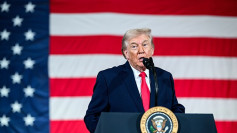
The comments emerged as U.S. and Iranian officials continue discussing a memorandum of understanding designed to halt hostilities and establish a framework for broader nuclear talks. President Donald Trump said Thursday that planned U.S. military strikes had been called off because negotiations were nearing a breakthrough.
Iran's Foreign Ministry, however, pushed back against suggestions that a final agreement had already been reached, saying no deal had yet been signed.
While negotiators appear to be working toward a temporary arrangement, Israel signaled that any future settlement must guarantee that Iran never acquires a nuclear weapon. Netanyahu said he and President Trump remain aligned on that objective.
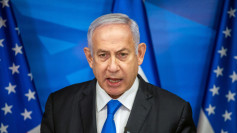
In a statement posted on social media, Netanyahu said he and Trump are in "complete agreement" regarding Iran's nuclear ambitions. He argued that Israel's long-running campaign against Tehran's nuclear program has prevented a more dangerous outcome.
"Without this struggle, Iran would have long ago obtained nuclear bombs to destroy Israel," Netanyahu said. "Iran is working to destroy the Jewish state, and I have dedicated my life to preventing them from doing so."
The dispute extends beyond nuclear issues. IRNA also reported that a draft agreement under discussion does not require Iran to relinquish control over the Strait of Hormuz, one of the world's most strategically important shipping corridors.
"Iran makes no commitment in this text to cede the management of the strait or the restoration of conditions that existed prior to the American and Israeli military aggression," the news agency said.
Iran has previously indicated it wants to impose transit-related charges in the Strait of Hormuz as part of efforts to recover economic losses suffered during the conflict. The waterway remains a critical route for global energy shipments, making its future status a matter of international concern.
According to details reported by Axios, the proposed memorandum would extend the existing ceasefire for 60 days, including in Lebanon, while negotiators pursue a broader nuclear agreement. Two sources familiar with the discussions told the outlet that senior Iranian officials have approved the framework, though final approval from Supreme Leader Mojtaba Khamenei has not yet been secured.