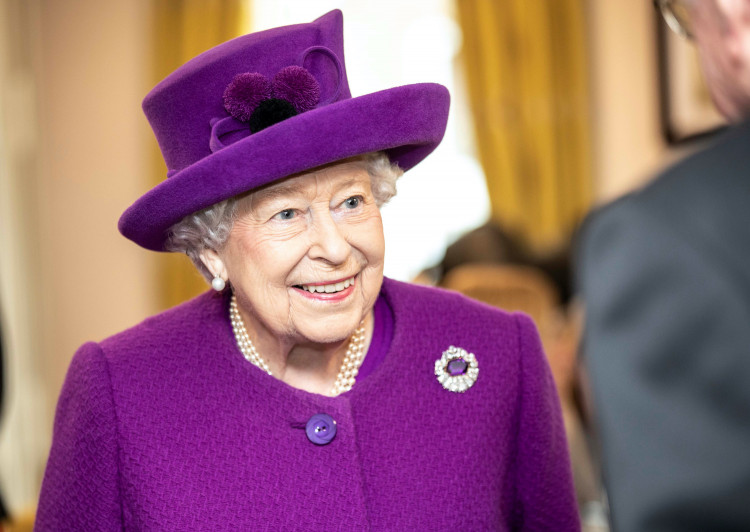
Fresh allegations surrounding Queen Elizabeth II's handling of Prince Andrew's relationship with convicted sex offender Jeffrey Epstein have reignited debate over one of the most damaging scandals to confront the modern British monarchy, with critics and commentators revisiting claims that the late monarch protected her son despite growing concerns about his associations.
The latest accusations stem from reporting by Globe, which cited documents and unnamed sources alleging that Queen Elizabeth played a key role in securing Prince Andrew's appointment as the United Kingdom's special trade envoy more than two decades ago. The report further claims that the position later became intertwined with questions surrounding Andrew's connections to Epstein and wealthy international contacts.
While many of the allegations remain unverified and have not been tested in court, they arrive as scrutiny of Andrew continues years after he withdrew from public royal duties following the fallout from his friendship with Epstein.
According to Globe, documents dating to 2000 indicate that Queen Elizabeth expressed her "wish" that Andrew be appointed to the high-profile trade envoy role. The publication reported that the preference was communicated during discussions involving palace officials and British trade authorities.
The Duke of York's tenure as trade envoy has long attracted attention because of the international business contacts and diplomatic access associated with the position. Critics have argued that the role provided Andrew with opportunities to cultivate relationships with influential figures around the world, including Epstein.
The publication also revived claims from the late financier Steven Hoffenberg, a former business associate of Epstein. In comments cited by Globe, Hoffenberg alleged that Andrew "was rewarded handsomely" through relationships connected to Epstein's network. Andrew has consistently denied wrongdoing and has never been criminally convicted in connection with Epstein.
More explosive were claims attributed to an unnamed source described as a royal insider. The individual alleged: "The queen was always protecting Andrew at all costs, and it was known that he was her favorite child. She knew about everything - Epstein, the girls, the trafficking. She just turned a blind eye to it."
Those allegations have not been independently verified, and no documentary evidence was presented publicly to support the claim that Queen Elizabeth had knowledge of criminal activity involving Epstein. Buckingham Palace has never acknowledged any such awareness by the late monarch.
Some aspects of the broader controversy are well established. Prince Andrew's friendship with Epstein ultimately led to one of the gravest crises of Queen Elizabeth's reign. Following years of controversy and public pressure, Andrew lost his military affiliations and royal patronages and stepped back from public duties.
The Globe report also referenced ongoing investigations involving Andrew's conduct as trade envoy. According to the publication, Andrew was arrested on suspicion of misconduct in public office earlier this year and later released without charge. The matter remains under investigation.
Assistant Chief Constable Oliver Wright, cited in documents referenced by CNN, said: "We hope that anyone with relevant information will come forward whenever they are ready to engage with us; our door is always open."
The controversy has also revived longstanding discussion about divisions within the Royal Family. Globe reported that King Charles III opposed Andrew's appointment as trade envoy years ago, while former trade commissioner Peter Mandelson allegedly supported it. Those claims have not been independently verified.
The publication further tied the Andrew controversy to broader claims involving Princess Diana's death, Epstein-related document releases and other historical allegations surrounding the monarchy. However, many of those assertions rely on anonymous sources, speculative theories or claims that have not been substantiated by official investigations.
As a result, the latest reporting has less to do with newly established facts than with renewed attempts to reassess decisions made during Queen Elizabeth's reign. For supporters of the late monarch, her legacy remains defined by seven decades of public service and institutional stability. For critics, Prince Andrew's downfall continues to raise difficult questions about whether personal loyalty sometimes outweighed political judgment within Britain's royal household.
The renewed scrutiny underscores how the Epstein scandal continues to cast a shadow over royal history years after the financier's death and long after Queen Elizabeth's reign came to an end.