Ukraine launched one of its most significant long-range attacks on Moscow since the start of the war, striking the Kapotnya oil refinery near the Russian capital and forcing temporary airport disruptions as Kyiv intensifies efforts to target infrastructure supporting Russia's military campaign.
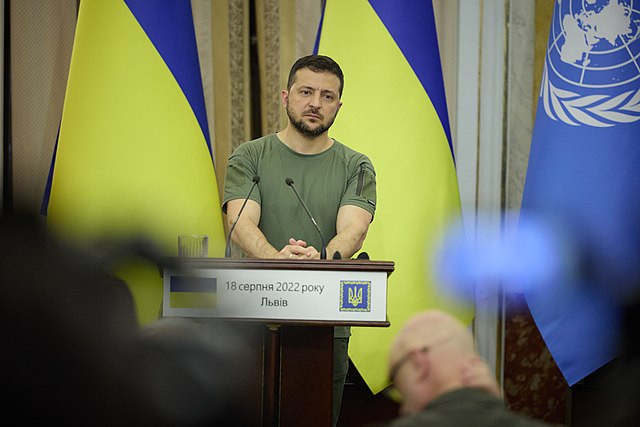
The overnight assault came as Ukrainian President Volodymyr Zelensky framed the operation as retaliation for recent Russian attacks, including strikes that damaged a historic monastery in Ukraine. The attack underscored Kyiv's growing ability to project force deep inside Russian territory while challenging Moscow's air-defense network.
"This is a fully justified response to Russian attacks on our cities and communities, and another important result of our warriors' work against facilities that sustain Russia's war machine," Zelensky said in a social media post on Thursday.
He added: "In recent days, all of our partners have noted the precision and effectiveness of our mid-range strikes and long-range sanctions. It is time the war ended, and Russia must take the necessary steps in diplomacy."
According to NBC News, the Kapotnya refinery is located roughly 10 miles from the Kremlin, making it one of the closest strategic energy facilities to central Moscow. Images circulating on social media showed large plumes of smoke rising above the area following the strikes.
Moscow Mayor Sergei Sobyanin said Russian air defenses intercepted nearly 200 drones overnight. Despite those efforts, several drones reportedly reached their targets. Russian state news agency Tass described the assault as "the most massive drone attack on the Moscow region in two years."
Russia's Transportation Ministry said temporary restrictions were imposed at major Moscow airports to "ensure flight safety," highlighting the growing disruption caused by Ukrainian drone operations far from the front lines.
The latest strike comes as reports suggest Russia may be facing increasing pressure on key military resources. CBS News reported that Ukrainian officials believe Moscow's stockpile of S-300 interceptor missiles has declined significantly after years of intensive use during the conflict.
According to Ukrainian officials cited by CBS News, intelligence assessments indicate a "reduction in Russia's stockpile of S-300 surface-to-air missiles." Earlier estimates referenced by The New Voice of Ukraine suggested Russia possessed more than 400 interceptors for its S-300PM and S-400 systems in 2025.
Two Ukrainian officials told CBS News that Russia has increasingly adapted some S-300 missiles for ground attacks against Ukrainian targets. Originally designed as air-defense weapons, the systems have reportedly been repurposed to supplement offensive capabilities alongside weapons such as the Iskander-M and Kinzhal missile systems.
At the same time, questions are emerging about Russia's ability to sustain the manpower demands of a war that is now entering its fifth year. CNN reported that despite increasingly generous recruitment bonuses, Russian authorities are encountering growing difficulties attracting new volunteers.
The Kremlin has long relied on its larger population and industrial base to support a prolonged war of attrition. However, declining recruitment rates have raised concerns among analysts about whether Russia can continue replacing battlefield losses at the pace required to maintain current operations.