Apple is preparing customers for potentially higher prices across its iPhone, Mac and iPad lineup as a global shortage of memory components, driven by booming artificial intelligence demand, reshapes the economics of consumer electronics.
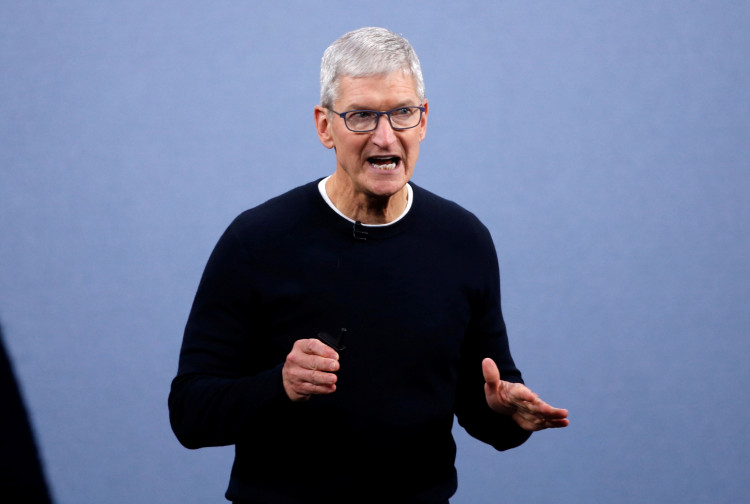
Chief Executive Tim Cook told The Wall Street Journal that rising memory costs have reached a point where Apple can no longer fully absorb the increases, signaling that future products could carry higher price tags. The comments come just months before the expected launch of the iPhone 18 and ahead of a leadership transition that will see Senior Vice President of Hardware Engineering John Ternus succeed Cook as CEO on Sept. 1.
"Unfortunately, price increases are unavoidable," Cook told The Wall Street Journal, describing the pressure on Apple as the result of unprecedented demand for memory chips used in AI infrastructure.
The warning arrives at a pivotal moment for the company. Apple announced in April that Cook would step down after nearly 15 years as chief executive and become executive chairman. By addressing pricing concerns before the transition, Cook is effectively setting expectations ahead of Apple's next major product cycle.
At the center of the issue is a dramatic increase in the cost of memory components. Industry suppliers have redirected production toward high-bandwidth memory used in AI servers and accelerators, where profit margins are significantly higher than those available in the consumer electronics market.
According to the report, the world's three dominant memory manufacturers-Samsung, SK Hynix and Micron-have increasingly prioritized AI-related demand, tightening supplies for smartphone and personal-computer makers. The industry has dubbed the shortage "RAMageddon" as prices for memory and storage components continue to climb.
The pressure is not limited to Apple. Several major computer manufacturers have already increased prices during the past year, including:
- Dell
- HP
- Lenovo
- Acer
- ASUS
Industry data cited from IDC and TrendForce indicates that some PC makers have implemented price increases ranging from 15% to 30% over recent quarters.
Apple has already made several adjustments to its product lineup that analysts view as early signs of cost management. The company has removed certain high-memory configurations from sale, including some premium Mac mini and Mac Studio options. Earlier this year, Apple also discontinued the 256GB storage version of the Mac mini, increasing the entry price of the device from $599 to $799.
Research firm TechInsights told The Wall Street Journal that maintaining Apple's current profit margins could require meaningful increases on future flagship devices. Analysts estimate that the iPhone 18 Pro could need a price increase of approximately $270 compared with current levels if component costs remain elevated.
The broader industry outlook suggests little immediate relief. Samsung has reportedly more than doubled contract prices for certain DDR5 memory products, while Micron has announced plans to exit the Crucial consumer memory business in 2026 to focus on higher-margin AI opportunities.
Cook said Apple intends to use its financial resources to support efforts aimed at expanding memory supply, but he ruled out manufacturing memory chips directly. "We can't do everything," he told The Wall Street Journal.