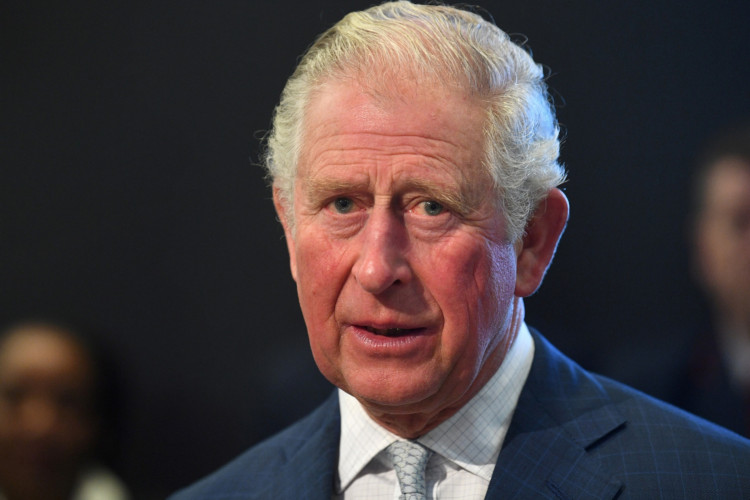
King Charles III is set to make history this week by becoming the first reigning British monarch to publicly disclose how much personal tax he pays, a move Buckingham Palace says reflects the King's commitment to greater transparency as scrutiny of royal finances intensifies.
The disclosure will be included in the royal household's annual financial accounts, scheduled for publication on June 25. The report will cover the 2024-25 financial year and reveal, for the first time, the amount of income tax and capital gains tax voluntarily paid by the monarch, despite no legal requirement for a sovereign to do so.
The announcement places royal finances back in the spotlight at a time when questions about public spending, royal privileges and property arrangements have become increasingly prominent in British political debate. Palace officials said the decision was made at Charles's request and continues a practice he adopted while serving as Prince of Wales.
"It has come at the express wish of the King himself, as part of the adaptations carried across since accession," Buckingham Palace said.
Under British law, the monarch is exempt from income tax, capital gains tax and inheritance tax. However, both Charles and his mother, the late Queen Elizabeth II, voluntarily agreed to pay income tax and capital gains tax beginning in 1993 following public criticism over royal finances. Those arrangements were later formalized through the 2023 Memorandum of Understanding on Royal Taxation.
The disclosure arrives against the backdrop of renewed attention on the finances of the royal family. Recent reports involving the King's brother, Prince Andrew, have intensified calls for greater accountability. Government auditors found that Andrew received private income from subletting properties while paying only a nominal "peppercorn rent" on a royal residence for more than two decades, prompting a parliamentary inquiry into royal housing arrangements.
Palace officials have framed the King's tax disclosure as part of a broader modernization effort designed to improve public understanding of how the monarchy is funded and managed.
Most of Charles's private income comes from the Duchy of Lancaster, a centuries-old estate consisting of agricultural land, commercial property, investments and other assets held for the sovereign. According to palace figures, the duchy generated approximately £26.8 million ($35.6 million) during the 2024-25 financial year.
Additional income comes from:
- Balmoral Estate in Scotland
- Sandringham Estate in Norfolk
- Private investments
- Personal savings and financial assets
The exact amount of tax paid on that income will be revealed in Thursday's report.
Separate from the King's private wealth is the Sovereign Grant, the taxpayer-funded mechanism that finances official royal duties and maintenance of occupied palaces. The grant stood at £86.3 million ($115 million) in 2024-25 and is scheduled to increase to £132.1 million ($175 million) in 2025-26, largely due to ongoing renovations at Buckingham Palace.
One area where the monarchy continues to receive special treatment is inheritance tax. When Queen Elizabeth II died in 2022, Charles inherited both the Duchy of Lancaster and the late monarch's private assets without paying the 40% inheritance tax that typically applies to large estates. The exemption stems from a 1993 agreement introduced under former Prime Minister John Major to prevent the erosion of assets transferred between sovereigns.
The King's decision also highlights a contrast with his heir, Prince William. The Prince of Wales receives income from the Duchy of Cornwall, which generated nearly £23 million ($30.6 million) last year. William has stated that he voluntarily pays income tax at the highest rate after deducting official expenses, but he has never publicly disclosed the exact amount paid.
Critics argue that even with Charles's unprecedented move, significant questions remain unanswered. Norman Baker, a former Member of Parliament and longtime critic of royal spending, told AFP that the recent scrutiny surrounding Prince Andrew had "opened the door" to broader examination of royal finances.
"In the end Britons are in the dark about the true cost of their monarchy," Baker said.