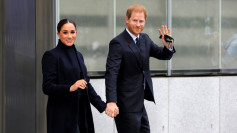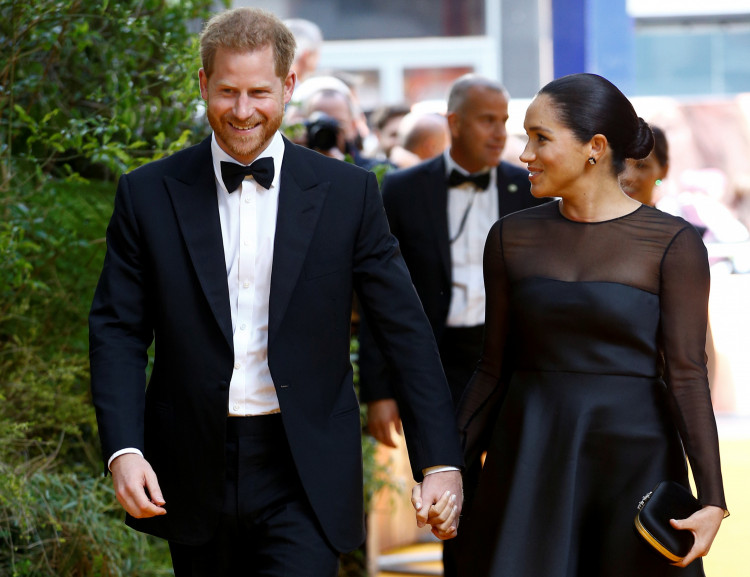
Prince Harry and Meghan Markle are once again at the center of a dispute over security arrangements in the United Kingdom, with questions surrounding a planned family visit evolving into a broader debate over the couple's post-royal status. The latest controversy follows reports that the Duke and Duchess of Sussex are reconsidering a July trip after the Royal and VIP Executive Committee (RAVEC) declined to provide the level of taxpayer-funded police protection Harry has sought for himself, Meghan, Prince Archie and Princess Lilibet.
The renewed dispute has intensified commentary from royal observers, some of whom argue the couple has struggled to adapt to life after stepping back as senior working royals in 2020. Supporters of the Sussexes, however, maintain the disagreement is fundamentally about ensuring appropriate security for their family rather than restoring former privileges.
According to recent reports, the Sussexes had outlined plans for a multi-day visit to Britain before indicating that the trip could be reconsidered because of unresolved security arrangements. A spokesperson for the British government defended the existing framework, describing the protective security process as "rigorous and proportionate" while reiterating that authorities do not publicly discuss individual security measures.
The disagreement stems from changes made after Harry and Meghan relinquished their official royal duties and relocated to California. Since then, the Duke has repeatedly challenged the withdrawal of his automatic taxpayer-funded police protection while visiting Britain. British courts have consistently upheld the government's case-by-case approach to determining his security arrangements.
The latest developments have prompted renewed criticism from royal commentators. Speaking on The Royalist Podcast, journalist Tom Sykes described the Sussexes' approach as "a really blatant attempt" to "emotionally blackmail" King Charles into influencing a decision that he argued falls outside the monarch's authority.
Alison Boshoff, appearing on the same podcast, said Harry appeared determined to persuade the King to "cross the line." She also suggested the Duke was either suffering from "terrible, irrational paranoia" or acting in an "exceedingly manipulative" manner. Those remarks reflect the opinions of the commentators rather than established facts, and neither Harry nor Meghan has publicly responded to those characterizations.
The Sussexes' representatives have consistently maintained that the dispute is centered on security assessments rather than royal status. Their position is that appropriate protection should extend throughout the entirety of any visit involving both public and private engagements. They have argued that accommodation inside a royal residence alone would not address broader security concerns while traveling across the country.
That distinction has become increasingly important because Harry's proposed itinerary reportedly includes multiple appearances beyond royal properties. Any movement between venues would require separate security planning, an issue that has remained central to the Duke's long-running disagreement with British authorities.
Reports indicate that King Charles hopes to spend time with his grandchildren during any future visit, with Archie and Lilibet having spent very little time in Britain since the Sussexes moved to the United States. The prospect of another delayed reunion has added an emotional dimension to what is otherwise a legal and administrative disagreement over protective arrangements.
Following multiple court challenges, British judges have upheld RAVEC's decision to assess his security requirements individually rather than restoring the automatic police protection available to senior working members of the Royal Family. Those rulings have reinforced the government's argument that the Duke's circumstances changed after he stepped away from official royal responsibilities.