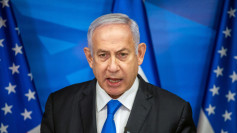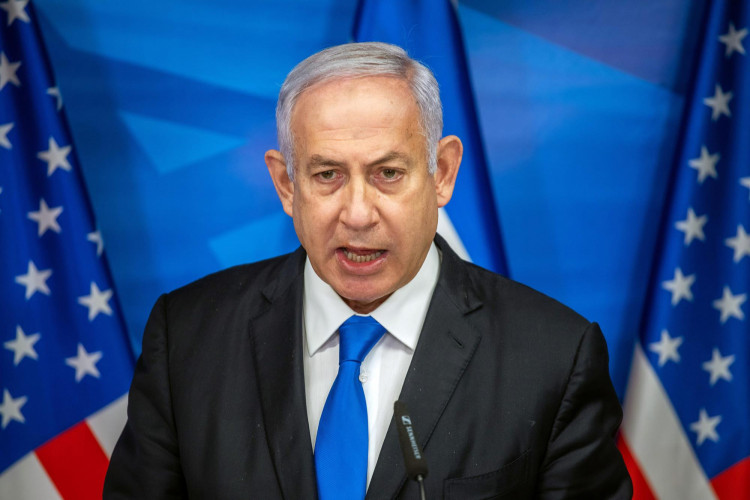
Israeli Prime Minister Benjamin Netanyahu is preparing to travel to New York for the United Nations General Assembly next week, putting Mayor Zohran Mamdani's handling of protests and security under scrutiny months after he explored having the Israeli leader arrested-and later acknowledged that New York City lacks independent authority to enforce the International Criminal Court warrant against him.
The visit presents an unusual test for Mamdani, whose administration has promoted what he calls "pothole politics": a focus on demonstrating that municipal government can deliver basic services. City Hall said Thursday that 229,000 potholes were repaired during fiscal 2026, a 27% increase from the previous year, although the reporting period includes six months before Mamdani took office.
Netanyahu is expected to address the General Assembly during its high-level gathering, which begins Tuesday. His appearance comes as the U.N. confronts conflicts involving Israel and the Palestinians, Iran, Ukraine and Sudan, alongside broader debates over artificial intelligence and climate change.
Mamdani's approach to Netanyahu has drawn attention since his mayoral campaign. The ICC issued arrest warrants for Netanyahu and former Israeli Defense Minister Yoav Gallant in November 2024, alleging war crimes and crimes against humanity connected to the Gaza conflict. Netanyahu and Israel have rejected the allegations, and the U.S. isn't a member of the ICC.
In July, Mamdani said his administration was examining what it could legally do if Netanyahu came to New York. "Whatever the law allows me to do in New York City, that's what we will do," he said at the time.
Days later, Mamdani acknowledged that City Hall couldn't independently execute the ICC warrant. "It is clear that we do not have the independent legal authority to enforce this warrant," he said, while calling on the federal government to act instead.
The Israeli government has sharply criticized Mamdani's position. Israel's ambassador to the U.N., Danny Danon, has accused the mayor of encouraging hostility toward Netanyahu and said the prime minister intends to proceed with his U.N. appearance. Those statements are Danon's characterization of Mamdani's conduct rather than established findings.
Mamdani, meanwhile, has said New Yorkers retain the right to demonstrate and that the New York Police Department is preparing for Netanyahu's visit and expected protests. The NYPD has said it isn't aware of a specific threat connected with the U.N. gathering but plans heightened security.
The international dispute arrives as Mamdani seeks to keep attention on his administration's municipal agenda. His first Mayor's Management Report highlighted gains in pothole repairs, affordable-housing completions, tree planting, speed-bump installations and other services.
Mamdani has repeatedly described such work as central to his governing philosophy. "This is pothole politics - our 2026 answer to sewer socialism - where government is not too busy, not too self-important, not too mired in paperwork to fix the problems of this city, no matter their size," he said in his 100-day address.
The latest city report said pothole repairs increased to 229,000 during the fiscal year, while Mamdani said in August that more than 191,000 had been repaired during his first eight months in office. City Hall has used those figures to argue that its broader policy ambitions need to be accompanied by visible improvements to everyday services.
Netanyahu's arrival will temporarily put a different set of mayoral responsibilities at the center of attention: policing demonstrations, protecting visiting dignitaries and maintaining public order during one of New York's most security-intensive weeks of the year.
The political tensions are already visible. Demonstrators critical of Mamdani's Israel policies gathered outside Gracie Mansion this week, while additional protests surrounding Netanyahu's visit are expected. Israeli officials have continued criticizing the mayor, while Mamdani has maintained his criticism of Netanyahu and Israel's conduct in Gaza.
The U.S. government, rather than City Hall, controls the principal diplomatic and immigration questions surrounding foreign leaders attending the General Assembly. The federal government has also sanctioned ICC officials following the court's actions involving Netanyahu, underscoring the gap between Mamdani's stated position and Washington's policy toward the court.