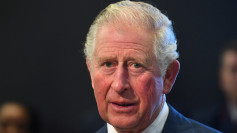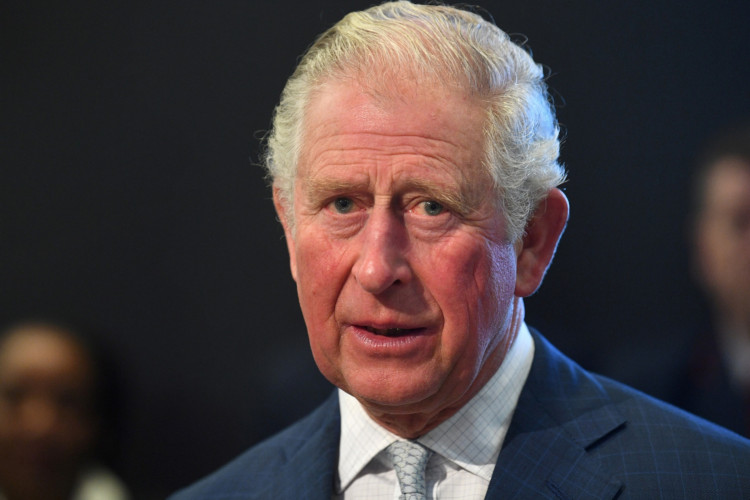
An Aboriginal elder seeking to prosecute King Charles III over alleged genocide against Indigenous Australians plans to submit his allegations to the International Criminal Court after a third unsuccessful attempt to advance the case in Australia.
Victoria's Court of Appeal on Monday rejected Robbie Thorpe's application to appeal, finding that his proposed charges did not identify an offense recognized under Victorian law. The decision leaves the 68-year-old Krautatungalung elder with the option of seeking permission to appeal to the High Court of Australia.
The ruling addressed the legal basis for his proposed prosecution, rather than determining whether the genocide allegations were true. No court has found that Charles, the Australian government or its institutions committed the offenses Thorpe alleges.
Thorpe contends that the monarch and Australian authorities are perpetuating genocide through systems that disadvantage Aboriginal and Torres Strait Islander peoples. His proposed charges concern alleged continuing acts since Sept. 28, 2022, invoking common law, federal genocide legislation and First Peoples' sovereign laws.
"Unless we get our evidence before a court" is not a statement attributed to Thorpe in the supplied accounts. His stated position was that Australia's courts had failed to provide a fair hearing: "We're exhausting the domestic remedies," he said.
Taking the allegations to The Hague would not allow Thorpe to initiate a prosecution himself. Individuals can provide information to the ICC's prosecutor, but decisions about investigating and bringing charges rest with the court's authorities.
"An individual cannot commence a prosecution," international law expert Don Rothwell said. Any submission would require an assessment of jurisdiction, evidence and other conditions before a case could proceed.
Thorpe began pursuing a private prosecution in Melbourne Magistrates' Court in 2023. A senior registrar rejected the filing because it did not identify a proper legal foundation, and the Supreme Court of Victoria subsequently upheld that decision on judicial review.
The appeal judges concluded that a further challenge had no real prospect of success. They said the registrar acted lawfully because "the charges alleged in the charge-sheet did not disclose an offence known to the law of Victoria."
Thorpe's allegations draw on disparities in health, life expectancy, unemployment and imprisonment between Indigenous and non-Indigenous Australians. His argument that those conditions constitute genocide has not been judicially established; the federal definition requires specified acts accompanied by an intent to destroy a protected group, wholly or partly.
The monarch's legal position presents a separate question. Charles is Australia's head of state in his capacity as King of Australia, distinct from his role as the United Kingdom's monarch.
University of Sydney constitutional law professor Anne Twomey has said the British monarch's common-law immunity from criminal and civil liability was likely inherited by Australia, although she was unaware of that question being tested in an Australian court.
The ICC's framework does not shield someone from criminal responsibility solely because they are a serving head of state. Its prosecutor would still need to assess whether the alleged conduct falls within its jurisdiction and meets requirements concerning evidence, gravity, national proceedings and the interests of justice.