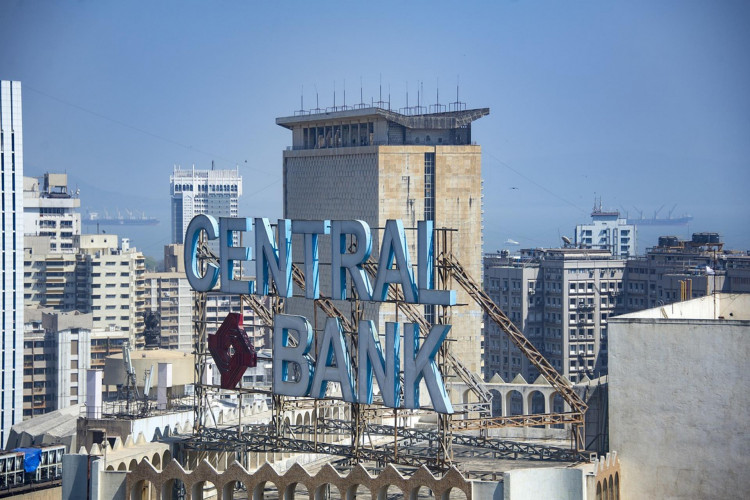
India's central bank has set in motion critical measures to offset the negative effects of the coronavirus pandemic and vows to utilize any resources to stimulate growth and sustain financial security, minutes of its policy meeting showed.
The Monetary Policy Committee, chaired by RBI Governor Shaktikanta Das, was initially set for March 31, April 1 and 3, this year but was moved in view of the global health crisis. The RBI cut the main policy rate by 75 basis points, after the three-day meeting which culminated on 27 March.
The committee agreed at the end of the meeting to reduce the policy repo rate to 4.4 percent. The country's central bank disclosed new steps to raise Rs 3.75 lakh crore in liquidity, and include a 100-basis-point reduction in its financial reserve ratio, Bloomberg Quint reported.
A broad range of targeted policy instruments have been implemented by authorities and central banks in many countries to counter the macroeconomic effects of the virus triggered by lockdowns and rigid social distancing measures.
Nevertheless, Das said, there was a "growing possibility" of a worldwide market collapse, which could be worse compared to the one witnessed in the 2008 global financial crisis.
On the other hand, the nearest, though positive, to a numerical prediction comes from Ravindra Dholakia, who expects gross domestic product to rise at 4 to 4.5 percent for fiscal year 2021.
This is much higher compared to those projected by other market analysts. Nomura Financial Advisory and Securities (India) Pvt. Ltd is leading the charge of dreary prediction of a 0.5 percent narrowing this year.
Dholakia disclosed that fiscal as well as financial stimulus would help mitigate the negative impact of the virus to the broader economy. Other analysts also noted that state expenditures are likely to offset the downturn.
So far, the government has proposed a stimulus program of around 1.7 trillion, which is just 0.8 percent of the country's GDP and much smaller compared to the expenditures of other economies like US, Germany and Europe.
Government authorities have requested for further stimulus actions to safeguard Indians' living standards in affected sectors.
RBI's forecast on the country's inflation levels has also changed dramatically, Das stated. If market demand takes longer to normalize, the regular uptick that starts in the summer months could remain muted, he pointed out.
The decline in aggregate local demand can also help to curb core inflation, he added. Meanwhile, Indian health authorities has so far recorded 9,152 confirmed coronavirus cases, which includes 308 fatalities.