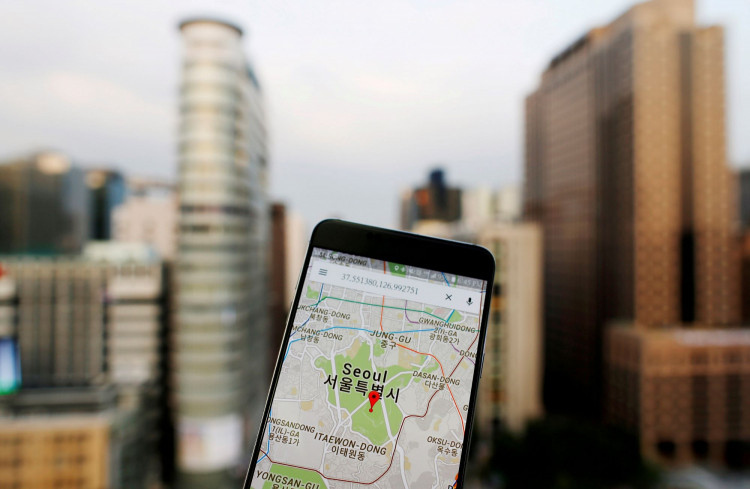
Stopping the spread of the coronavirus can be achieved by finding and isolating the contacts of infected people. Contact tracing is all part of the procedures for infectious disease control. But what makes the current outbreak different from all the other health crises the world has experienced is the new approach to contract tracing -- tapping people's smartphone location.
In Asia, local governments are already carrying out procedures that blatantly challenge privacy laws. This is so the health status of their citizens can be classified and their movements restricted. Now, research teams in the United States and Europe are considering more ethical ways to succeed in contract tracing, with some tech companies already developing and testing COVID-19 targeted apps.
Meanwhile, governments are scrambling to figure out how to deploy coronavirus-fighting tech that could work within data privacy laws without losing the trust of an already wary public. However, it's already given that we'll have to give up our data privacy one way or another.
Tracing the individuals that a coronavirus-positive person came in contact with needs a lot of testing to diagnose infections. In the United States and some parts of Europe, testing for COVID-19 has been painfully slow to ramp up, and these are regions in the world where technology is used at its highest peak -- what can countries with fewer resources do?
Even if tests become widely available, local health departments will still find it a challenge to interview each patient and work through all contacts one by one. And is it really possible for one person to remember everyone he's socialized with in the past weeks?
With digital contact tracing, health organizations and governments hope that it would make the task simpler and faster. Smartphone owners broadcast their location all the time; when an owner of a phone tests positive for COVID-19, a record of their recent movements will be shared with health officials. Those who came close to the coronavirus-positive owner will then be notified that they are at risk of infection and will be advised to self-isolate. The challenge for those designing the tracking system is this: determine where user data is stored and who gets to have access.
When it comes to data, the public has become warier of being exposed. Isn't it true that we are now living in the age of surveillance capitalism and that our data is exploited and abused? And yet, these are not normal times. The public and authorities will have to decide what must be prioritized -- data privacy, to respect each user; or data collection, which could save millions of lives?