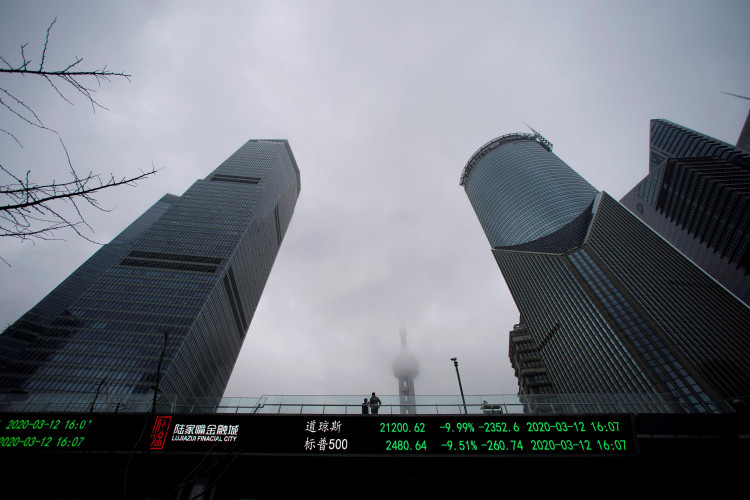
The Dow Jones Industrial Average futures crumbled more than 200 points, pointing to a relatively sluggish opening on Monday. The S&P 500 and Nasdaq 100 futures have likewise been dragged by a flat Monday session for the two indexes.
Stock futures followed the continued drop in US oil prices. The West Texas Intermediate May Contract plummeted around 15.7 percent to $15.39 a barrel as the demand projection appeared to be grim. WTI's June contract fell 5 percent to $23.71 per barrel.
Equity markets emerged from a robust climb last week, led by the technology-heavy Nasdaq Composite Index on optimism of effective therapeutics to help combat the coronavirus crisis.
Last week, the indexes were also reporting the first weekly back-to-back gains in about five weeks. Investors have been keeping a close eye on indications of peak infections in parts of the globe, including New York and are monitoring Europe's plans to end a weeks-long economic pause due to the pandemic, especially Germany.
In the United States, coronavirus cases broke past the 764,000 mark, with fatalities surpassing 40,000. The 25,511 increase Sunday has been the lowest recorded by authorities since April 5. Sunday appeared to have lower counts of cases compared to other days, while cases dropped compared to April 12, Easter Sunday. The percentage increase was just 3.5 percent, down from Saturday's 4.1 percent, and 5.1 percent from the week before.
Caution was key in the collapse of the market in the ongoing pandemic. And although the bear market hit rock bottom on March 20, there was no reason to be optimistic in the latest stock market recovery from the crisis.
The initial reported uptrend, or two, frequently fails following a bear market. The US markets' recent gains were notable as traders bet on the US and Europe reopening businesses. But this may take a long time, and will not be easy. Furthermore, earnings season is coming, with most businesses expected to announce poor results with no guidance.
In the Asian stock market, Japan's Nikkei 225 declined 1 percent, as the country announced that last month's exports dropped sharply as the crisis weighed on economic activity.
There were other big indices that barely budged. In early trading, Hong Kong's Hang Seng gained 0.2 percent, while South Korea's Kospi hovered between minor gains and losses. Shanghai Composite of China inched marginally higher. On Monday, the People's Bank of China cut its one-year loan premium rate by 20 basis points to 3.84 percent.