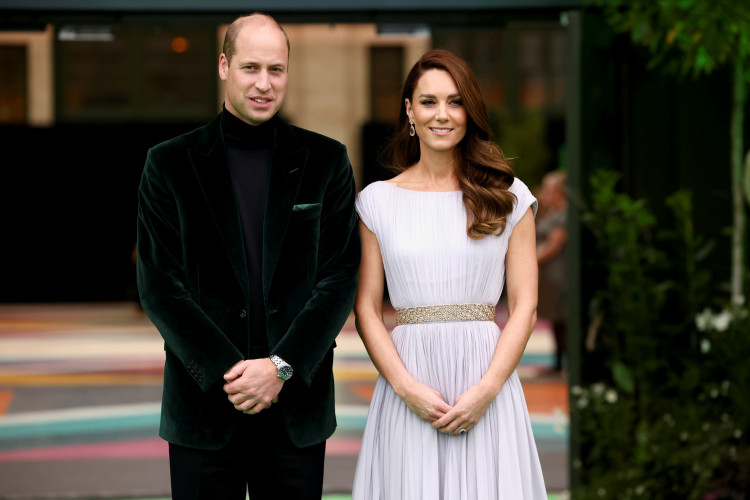
Prince William and Kate Middleton have formally committed to a long-term residence at Windsor, securing a 20-year lease on Forest Lodge as part of a wider shift in the royal family's property arrangements. Details of the lease were disclosed in a recent Public Accounts Committee (PAC) briefing, confirming the Prince and Princess of Wales signed a non-assignable agreement "based on open market value" that began on July 5, 2025 and runs through 2045. The confirmation settles months of speculation surrounding the couple's future living plans and signals a more permanent transition away from Adelaide Cottage.
The Wales family moved into Forest Lodge in late October, earlier than expected, marking the start of what sources close to the couple have described as a decisive new chapter. The residence, situated deep within Windsor Great Park, offers far greater privacy than their previous home and is expected to function as the family's primary base even after William's eventual accession to the throne.
Forest Lodge itself represents one of the more architecturally distinctive homes within the Crown Estate. The Georgian-style mansion includes eight bedrooms, a long gallery, Venetian windows, marble fireplaces and a barrel-vaulted entrance hall. Its landscaped grounds feature lawns, gardens, a pond and a private tennis court. Originally constructed in the 1770s, the property was long used as a grace-and-favour residence before returning to the Crown Estate in the 1990s and later being offered for private rental.
The PAC briefing underscored that the leasing process followed updated protocols aimed at transparency. Independent valuations were carried out by property firms Hamptons and Savills to determine fair market rent. Both the Crown Estate and the Waleses retained separate legal representation. Renovation work classified as minor has been paid for privately, and rental payments will also come entirely from the couple's personal income.
The contrast with another prominent Windsor situation is notable. The Forest Lodge agreement comes just as Prince Andrew and Sarah Ferguson prepare to vacate Royal Lodge by January 31 after prolonged negotiations. That property has been subject to years of scrutiny over its long-standing lease on unusually favorable terms. William and Kate's market-value arrangement reflects a different model: fully commercial, independently assessed and publicly disclosed through parliamentary oversight.
For palace observers, the Forest Lodge lease reflects evolving expectations surrounding royal property use. The decision underscores an institutional effort toward modernization, reducing reliance on traditional concessions and reinforcing the Crown Estate's arm's-length management. For the Wales family, the move is also interpreted as a stabilizing measure after a period marked by relocations, school transitions for their children and intense press attention.
The long-term nature of the agreement suggests a strategic effort to create a settled family environment aligned with William's future responsibilities. Forest Lodge's scale and privacy are viewed internally as critical assets as the couple balances growing public obligations with the needs of their three children. In contrast to the symbolism often tied to historic royal residences, the choice of a leased home on commercial terms signals a more contemporary approach, blending heritage with a private-sector framework.