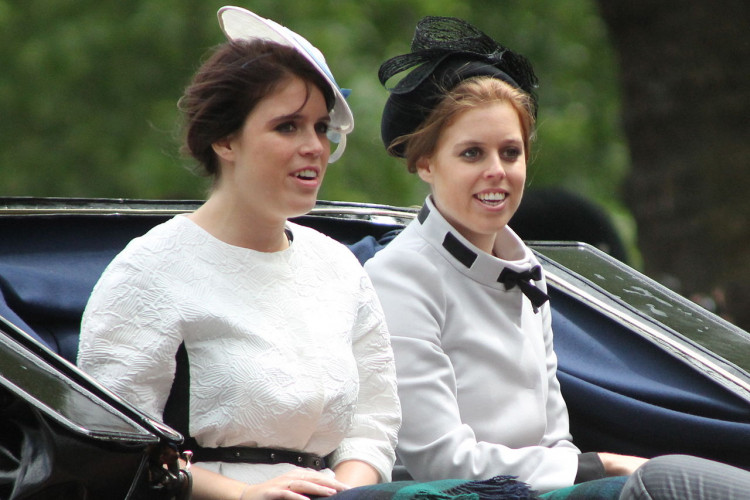
Princesses Beatrice and Eugenie, the daughters of Prince Andrew and Sarah Ferguson, are facing renewed scrutiny over their continued use of royal titles despite holding no official duties, as debate intensifies over how far a future King William might go to streamline the British monarchy. The question of whether they should retain the style of Her Royal Highness has become a focal point in broader discussions about reform, accountability and public expectations of the modern royal family.
The sisters, aged 37 and 35 respectively, remain princesses by birth and continue to use HRH, even as their father was stripped of his military affiliations and royal patronages following his association with Jeffrey Epstein. Neither Beatrice nor Eugenie represents the Crown in an official capacity, yet they frequently appear at high-profile family events, creating what critics describe as an ambiguous "half-in, half-out" status.
A royal insider told RadarOnline: "Beatrice and Eugenie show up at family events, but they don't perform any official royal duties. The public sees their titles but doesn't see them contributing to the institution, which creates confusion." Another source added: "Their roles are more symbolic than practical. Nowadays, the public expects anyone with a royal title to play an active and meaningful part."
The issue carries added weight as Prince William, 41, has made clear that reform is central to his vision for the monarchy. Speaking previously about the need to reassess long-standing customs, William said: "Change is on my agenda... There are points when you look at tradition and go, Is that still fit for purpose today? Is that still the right thing to do?" Palace observers see those remarks as a signal that inherited titles alone may no longer justify public recognition.
The number of working royals has already been reduced. Senior figures such as the Duke of Kent, Princess Alexandra and the Duke of Gloucester have largely stepped back from public duties. By the time William succeeds King Charles III, who is undergoing cancer treatment, aides expect the core group of working royals to shrink to six or seven.
Beatrice and Eugenie both maintain private careers-Beatrice in technology strategy and Eugenie in the art world-underscoring their status as financially independent. Supporters argue that this independence reflects a modern approach to royal life. Critics counter that it complicates transparency and risks blurring lines between public status and private enterprise.
A source familiar with palace planning said: "The goal is to make a clear distinction between those who officially represent the crown and those who are private family members. Beatrice and Eugenie fall into the latter group, so reviewing their titles makes sense." Another insider stressed: "This isn't a personal issue - it's about updating the monarchy to improve public clarity and ensure financial accountability."
There is precedent for tightening royal ranks. In 1917, King George V limited the use of prince and princess titles through Letters Patent, a move later refined by Queen Elizabeth II. Constitutional experts note that a future monarch could issue further Letters Patent to formalize a clearer separation between working royals and private relatives.