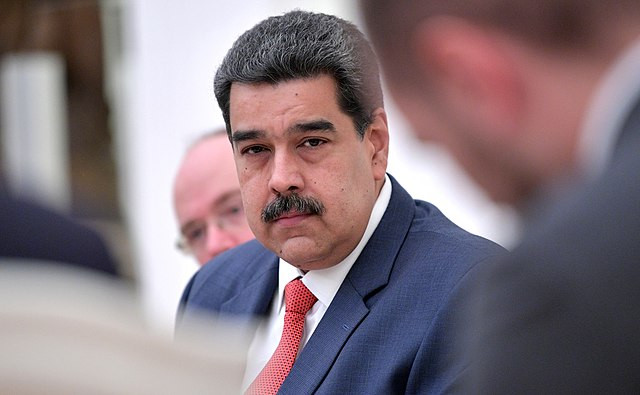
President Donald Trump ordered the U.S. military operation that removed Venezuelan leader Nicolás Maduro after what senior officials described as a series of public acts that personally offended the president, including widely circulated videos of Maduro dancing and mocking U.S. warnings as Washington intensified pressure on Caracas.
According to multiple administration officials, Trump viewed Maduro's televised celebrations-broadcast during rallies rejecting U.S. threats-as a direct challenge to American authority at a moment when the White House had already imposed sanctions, naval interdictions and covert pressure, as New York Times reported. One official described the reaction as "deeply personal," saying Trump interpreted the performances as a sign that Maduro believed the United States would not follow through.
The irritation hardened into action in late 2025, after Maduro appeared dancing at public events even as U.S. forces expanded their presence in the Caribbean and senior Trump advisers issued increasingly explicit warnings. Within the administration, the behavior was framed not merely as political theater but as "open disrespect," according to people familiar with internal discussions.
The military operation carried out in January 2026 culminated in Maduro's capture in Caracas and his transfer to U.S. custody, where he is expected to face charges related to narcotics trafficking and terrorism in federal court. The White House publicly characterized the action as a law-enforcement operation tied to longstanding indictments, but officials privately acknowledged that Trump's anger over Maduro's conduct helped accelerate the final decision.
The shift marked a dramatic escalation in U.S. policy. What began as economic sanctions and diplomatic isolation evolved into air and naval strikes targeting infrastructure linked to oil exports and alleged drug routes. The administration argued that previous measures failed to deter Caracas, reinforcing Trump's belief that only decisive action would restore U.S. credibility.
Maduro's public displays became a recurring topic in White House briefings. Videos of the Venezuelan leader dancing salsa and celebrating with supporters were circulated among senior officials, with Trump reportedly asking aides why Maduro appeared "so confident" despite U.S. threats. Analysts caution that such symbolism rarely drives foreign policy alone, but several officials said it reinforced Trump's view that Maduro was openly testing him.
Following Maduro's removal, Vice President Delcy Rodríguez was named acting president under Venezuela's constitution, a move immediately rejected by Caracas loyalists and questioned by several regional governments. Opposition figures inside Venezuela offered mixed reactions, with some condemning U.S. intervention and others welcoming the end of Maduro's rule.
The operation bypassed congressional authorization, igniting legal debate in Washington over executive power and the use of force framed as criminal enforcement. Internationally, allies and critics alike questioned whether personal grievance had crossed into statecraft.