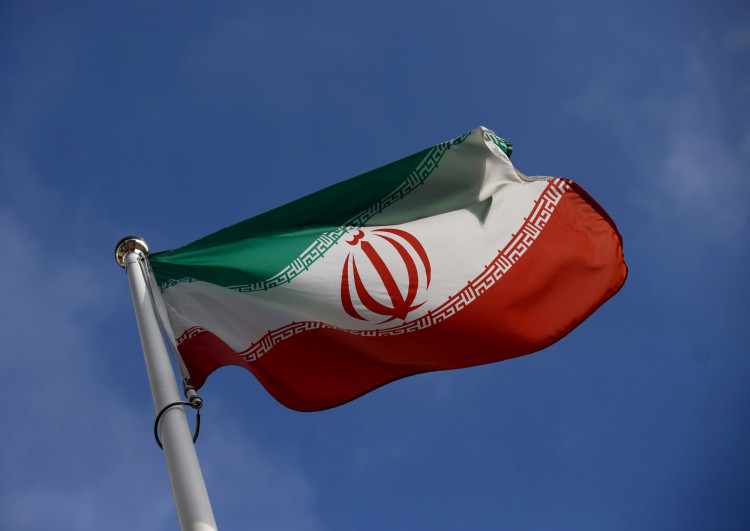
Iran has issued an explicit warning of retaliation against the United States as nationwide protests have left more than 500 people dead, sharply escalating tensions between Tehran and Washington and raising fears of a wider regional confrontation involving Israel and U.S. forces.
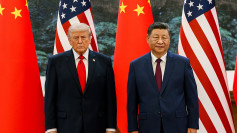
Iranian officials said any U.S. intervention ordered by President Donald Trump would trigger what they described as "immediate revenge," framing the unrest as a foreign-backed campaign rather than a domestic uprising. Human rights groups say the death toll has continued to climb since demonstrations erupted in late December.
The warning was delivered publicly by Iranian parliamentary speaker Mohammad-Bagher Ghalibaf, who said that any attack on Iran would be met with retaliation against American military installations, naval assets and Israel. President Masoud Pezeshkian separately accused the U.S. and Israel of orchestrating the unrest by training agitators and encouraging attacks on mosques and marketplaces.
Protests have spread across major cities, including Tehran, with demonstrators overturning refuse bins, setting fires and chanting slogans against the leadership. Security forces have responded with tear gas, pellets and live ammunition, according to witnesses and video footage circulating online despite widespread internet disruptions.
Hospitals and morgues have been overwhelmed, according to medical workers and relatives of the missing. One healthcare professional described seeing young people shot at close range in the head and chest, while families searched morgues such as Kahrizak for missing relatives amid reports of bodies piling up.
The killing of 23-year-old fashion student Rubina Aminian has become a focal point of public anger. According to relatives and activists, Aminian was shot in the back of the head at close range as she left her college in Tehran to join protests. Authorities initially denied her family access to her body and barred burial in her hometown of Kermanshah, forcing an interment by the roadside between Kermanshah and Kamyaran under intelligence supervision.
Human rights groups have documented a rapidly rising death toll. According to Reuters, at least 544 people have been killed since the protests began. The U.S.-based Human Rights Activists News Agency reported 496 protesters and 48 security personnel among the dead, along with more than 11,000 arrests.
Iran's police chief Ahmad-Reza Radan said operations had intensified, blaming "trained rioters" for the violence. Iran's attorney general warned protesters could face the death penalty, labeling them enemies of God, while clashes continued in Kurdistan and Sistan-Baluchistan provinces.
Supreme Leader Ali Khamenei accused Trump of having hands "stained with the blood of Iranians" in remarks broadcast on state television. He portrayed demonstrators as foreign pawns and urged security forces to "put them in their place" to prevent the country's collapse for Trump's benefit.
Trump, meanwhile, issued his own warning. "I tell the Iranian leaders: You better not start shooting, because we'll start shooting, too," he said at a meeting with oil executives, according to NBC News. He has claimed Iran sought negotiations during the unrest, a claim Tehran denies.
Exiled crown prince Reza Pahlavi called on protesters to seize control of cities, saying the regime was close to collapse and asserting that Trump was prepared to help. European leaders have condemned the violence and urged sanctions, while Kurdish political figures appealed for Western moral and practical support as reports of a humanitarian crisis mount.