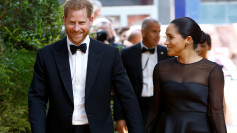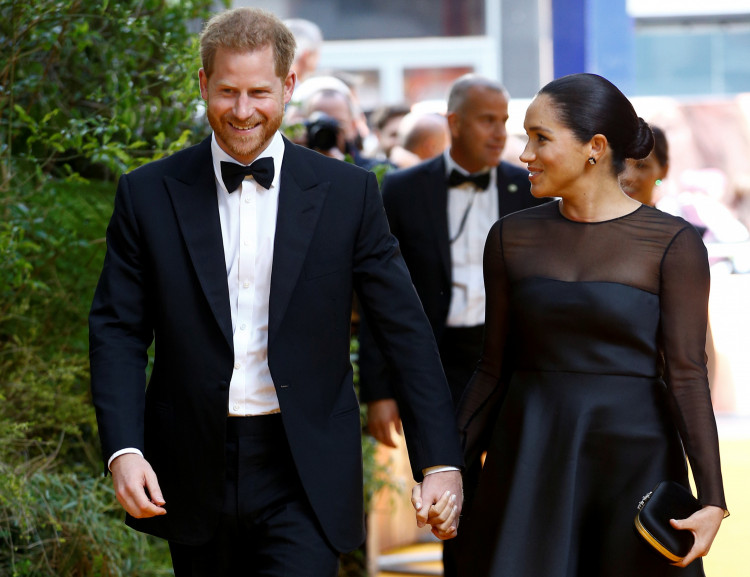
Prince Harry entered the witness box at London's Royal Courts of Justice on Tuesday, escalating a legal confrontation with Associated Newspapers Limited that could reshape the boundaries of British tabloid journalism. The Duke of Sussex is seeking to prove allegations of unlawful information gathering against the publisher of the Daily Mail, a case closely watched by media lawyers and press executives across the U.K.
The proceedings mark a pivotal moment in a lawsuit brought by a group of prominent figures, including Elton John and Elizabeth Hurley, who accuse Associated Newspapers of practices ranging from phone tapping to the fraudulent acquisition of private medical and financial records. The publisher has denied all allegations.
Before Harry began his evidence shortly after 11:30 a.m., his legal team criticized the defendant's courtroom conduct. A source close to the Duke's lawyers said: "ANL have had months to inform the court that their opening argument would last less than two hours; instead, they have had to resort to game playing and dirty tricks consistent with the way they have treated not just the Duke but all of the victims in this case." The comment followed an unexpected shortening of the publisher's opening submissions, which were allocated a day and a half but concluded in roughly 90 minutes.
Harry's presence in court over consecutive days has underscored the personal stakes of the case. The claims focus on 14 articles published between 2001 and 2013, a period before his marriage to Meghan Markle. According to claimant counsel, those articles "focus primarily and in a highly intrusive and damaging way, on the relationships which he formed, or rather tried to form, during those years."
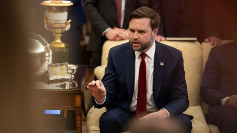
Representing Associated Newspapers, Antony White KC argued that the case is time-barred and evidentially weak. He told the court the claims were "threadbare" and said journalists would provide "a compelling account of a pattern of legitimate sourcing" for more than 50 disputed stories. White also rejected inferences drawn from payments to private investigators, describing the evidence as "clutching at straws in the wind and seeking to bind them together in a way that has no proper analytical foundation."
The defense sought to undermine testimony from a former private investigator by labeling it "inherently implausible," noting that it appeared in what it called a "disavowed" witness statement. Claimants' counsel, David Sherborne, countered that such arguments mirrored the behavior at issue, asserting that Harry believes he has "endured a sustained campaign of attacks against him" after challenging the publisher.
Beyond Harry's individual claims, the case carries broader implications. Media law specialists say a ruling for the claimants could reopen scrutiny of newsroom practices once considered settled and reinforce legal limits around privacy and data protection.