The Department of Homeland Security is confronting one of its most destabilizing moments in years after the fatal shootings of two protesters in Minneapolis placed Immigration and Customs Enforcement at the center of a national political storm. The deaths of Alex Pretti and Renee Good, both killed by federal agents during protests against deportation policies, have triggered bipartisan condemnation, impeachment threats, and questions about the future structure of federal immigration enforcement.
Homeland Security Secretary Kristi Noem has become the focal point of the backlash following her initial public response to the shootings. In a statement issued shortly after the incident, Noem described the events as an "act of domestic terrorism" and said Pretti had "attacked" officers. Video evidence and on-the-ground reporting later contradicted that account, intensifying criticism from lawmakers and civil rights groups.
Senior House Democrats moved swiftly. In a joint statement, House Minority Leader Hakeem Jeffries, Minority Whip Katherine Clark, and Caucus Chair Pete Aguilar said, "The country is disgusted by what the Department of Homeland Security has done." They warned that if Noem was not removed, impeachment proceedings would follow, marking a rare escalation against a sitting cabinet secretary.
Pressure has not been confined to Democrats. Senator Thom Tillis of North Carolina said Noem's actions in Minnesota should be "disqualifying," adding that she should be out of a job. Senator Lisa Murkowski of Alaska echoed the sentiment, saying it was "time for her to step down." The public criticism from centrist Republicans underscored how rapidly Noem's support has eroded within her own party.
Operational fallout followed quickly. Gregory Bovino, a senior Border Patrol official closely aligned with Noem and overseeing the Minnesota operation, was recalled from the state on Monday. His departure removed a key enforcement figure and signaled growing internal concern over the handling of the crisis.
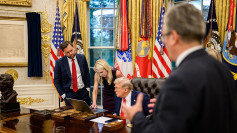
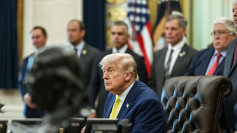
President Donald Trump has publicly rejected calls for Noem's removal. Asked whether she would step down, the president answered, "No," citing what he called the "tremendous success" of closing the border. Yet his actions suggested a recalibration. Trump appointed longtime ally Tom Homan, the administration's "border czar," to lead the federal response, effectively sidelining Noem during the most intense phase of the controversy.
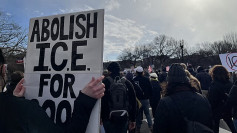
The shootings have revived long-standing activist demands to dismantle ICE entirely. Protesters argue that the deaths of Pretti and Good illustrate systemic failures in federal enforcement. Within Washington, however, lawmakers and officials say abolition is unlikely, even if Noem resigns or is impeached.
Instead, attention has turned to possible restructuring. Trump's decision to elevate Homan signals that enforcement will continue, though potentially under tighter command and revised messaging. The White House has emphasized that border policy remains unchanged, even as DHS faces multiple investigations and mounting legal scrutiny.
If impeachment proceedings advance, DHS operations could be paralyzed for months, complicating enforcement, litigation, and interagency coordination. If Noem remains, officials warn that civil unrest and political pressure may intensify, further straining the department's credibility.