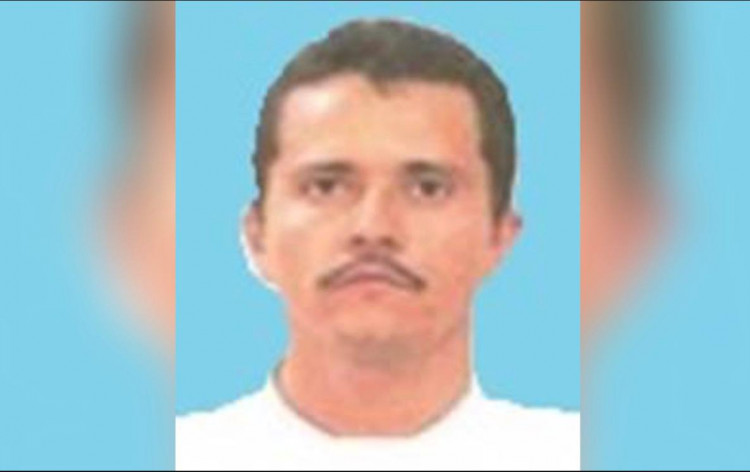
Mexico was gripped by coordinated cartel violence after Nemesio Rubén Oseguera Cervantes, known as "El Mencho," the leader of the Jalisco New Generation Cartel (CJNG), was killed in a joint military operation with the United States, triggering arson attacks, transport shutdowns and international travel advisories across multiple states.
Mexican security forces launched a large-scale operation on Feb. 22 in the western state of Jalisco targeting Oseguera Cervantes, long considered one of the most powerful and heavily armed cartel leaders in the country. Mexico's Defense Ministry said the 59-year-old died from injuries while being flown to Mexico City for medical treatment.
The CJNG has been a central focus of Mexican and U.S. authorities because of its role in trafficking fentanyl, cocaine and methamphetamine into the United States. U.S. agencies had previously described the group as among the most violent transnational criminal organizations operating in North America.
Within hours of the announcement of Oseguera Cervantes' death, violence erupted in at least eight states. Armed groups burned buses and private vehicles, erected makeshift roadblocks and disrupted major highways.
In Guadalajara and surrounding areas, plumes of smoke rose above urban centers as vehicles were set ablaze. Social media videos showed major transport corridors blocked by burning trucks and armed men asserting control over key junctions.
The unrest disrupted commercial activity and travel:
- Dozens of flights to and from Puerto Vallarta and other airports were canceled
- Airlines including Air Canada, United Airlines and Aeromexico halted operations in affected zones
- Thousands of schools suspended classes as a precaution
President Claudia Sheinbaum acknowledged the unrest and urged calm. "In most of the national territory, things are occurring in complete regularity," she wrote on a social networking platform, emphasizing coordination between federal and state authorities.
The U.S. and Canadian governments issued security alerts advising travelers in affected regions to "shelter in place" and avoid unnecessary movement as authorities attempted to restore order.
Security analysts cautioned that the killing of a cartel leader, while a tactical success, often produces a volatile transition period. Mexico's history of high-profile arrests and killings-particularly within the Sinaloa cartel-has shown that leadership vacuums can trigger internal rivalries and territorial battles.
Some experts warn that the CJNG's structure may fragment, with regional factions vying for dominance. Others suggest rival groups could seek to exploit the disruption, intensifying violence in contested corridors critical to drug distribution networks.
The Mexican government has deployed additional troops and reinforced security measures in Jalisco and neighboring states. Yet the broader structural challenges remain: entrenched cartel infrastructure, resilient trafficking routes and strong demand in foreign markets.