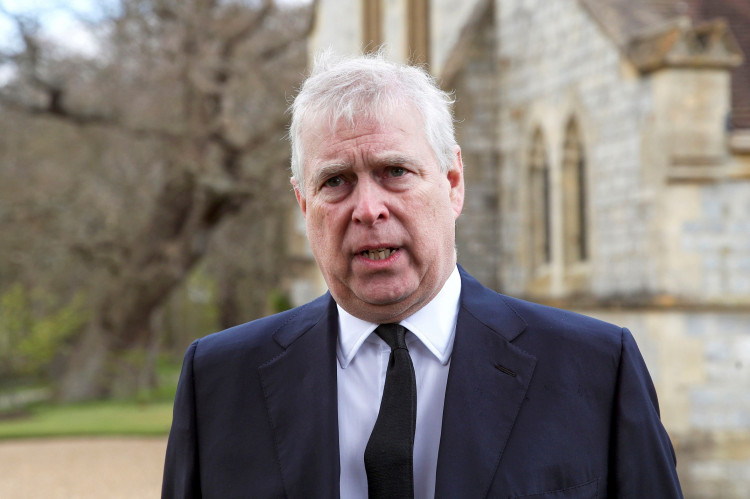
Fresh allegations about Prince Andrew's past use of public funds have surfaced days after his arrest on suspicion of misconduct in public office, adding financial scrutiny to an already volatile legal and reputational crisis facing the British monarchy.
The BBC reported that two retired civil servants alleged Andrew Mountbatten-Windsor, during his tenure as the U.K.'s trade envoy, submitted expenses that included "massage services" and incurred travel costs they believed were insufficiently scrutinized. The broadcaster said it has not verified the specific massage claim, which dates back more than two decades, though it reviewed documentation confirming the whistleblowers' professional proximity to the work at the time.
Andrew, who served as trade envoy from 2001 to 2011, held the role without salary but received taxpayer-funded travel support and civil service assistance. The Department for Business and Trade did not dispute details about his tenure when approached by the BBC but referred inquiries to the ongoing police investigation.
One former trade department civil servant told the BBC he initially declined to authorize payment for what he described as "massage services." "I thought it was wrong," the whistleblower said. "I'd said we mustn't pay it, but we ended up paying it anyway." Reflecting on the decision, he added, "I can't say it would have stopped him, but we should have flagged that something was wrong."
A second source, identified by the BBC as a former senior Whitehall official overseeing finances, said he observed similar spending patterns on official trips. "I couldn't believe it. It was like it wasn't real money. They weren't spending any of their own money," he said, adding he had "absolutely no doubt" about the authenticity of the expenses he reviewed.
The allegations arrive amid a criminal investigation by Thames Valley Police. Andrew was arrested on suspicion of misconduct in public office and later released "under investigation," a U.K. status indicating that no charges have been filed and that inquiries remain active.
King Charles III addressed the matter publicly, stating he had learned "with the deepest concern" of the news and emphasizing "the full, fair and proper process." He added: "Let me state clearly: the law must take its course."
Prince William, appearing at the BAFTAs days later, offered a brief remark that drew attention for its timing. Asked about the film Hamnet, he replied, "I need to be in quite a calm state and I am not at the moment. I will save it." The comment was delivered in a cinematic context but interpreted more broadly given the surrounding controversy.
Ian Maxwell, brother of Ghislaine Maxwell, commented on the wider fallout, saying, "You have to note, he hasn't been charged with any sort of sexual offence," before describing Andrew's past conduct as "sleazy, humiliating for him and embarrassing for the royals."
The BBC emphasized it has not seen documentary proof of the alleged massage bill itself. The broader question now confronting the monarchy is not only legal exposure but institutional oversight, as decades-old expense claims resurface amid a cultural climate far less tolerant of perceived privilege insulated from accountability.