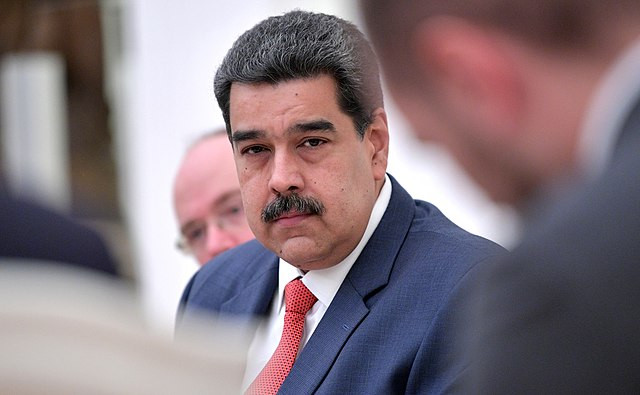
Nicolás Maduro is being held under some of the strictest detention conditions in the U.S. prison system at the Metropolitan Detention Center in Brooklyn as he prepares to face federal charges of narco-terrorism and drug trafficking, according to law enforcement sources and court filings.
The 64-year-old appeared in federal court in Manhattan this week, where he is contesting the charges after pleading not guilty earlier this year. During his initial arraignment before Judge Alvin Hellerstein, Maduro declared: "I am innocent. I am not guilty. I am a man, the president of my country," and described himself as a "prisoner of war."
Maduro's detention is taking place under "special administrative measures," or SAMs, a designation authorized by the U.S. Department of Justice for inmates deemed to pose exceptional security risks. Officials say the restrictions are intended to prevent any communication that could endanger public safety or interfere with ongoing investigations.
Within the facility, the SAMs unit is described by law enforcement sources as a fortified enclave inside the larger detention center. The conditions include:
- 24-hour surveillance
- Strict limits on communication with the outside world
- Movement confined to essential activities such as showers, legal visits, and one hour of supervised outdoor exercise
The unit was established following the closure of Manhattan's Metropolitan Correctional Center and is designed to house a small number of high-risk detainees. Access is tightly controlled, with all visitors requiring explicit authorization.
Maduro's wife, Cilia Flores, is also being held at the same facility but in a separate unit, according to officials familiar with the arrangement.
The case has quickly evolved into a complex legal and constitutional dispute, particularly over Maduro's access to legal representation. His defense team has argued that U.S. sanctions are preventing the Venezuelan government from paying for counsel, raising concerns about his rights under the Constitution.
Barry Pollack, one of Maduro's attorneys, wrote in court filings: "Mr. Maduro, who lacks the funds to retain counsel, is being deprived of his constitutional right to counsel of his choice." The issue centers on licensing requirements from the Treasury Department's Office of Foreign Assets Control, which must approve any financial transactions involving sanctioned individuals.
Judge Hellerstein has acknowledged the tension, stating that the right to legal representation is "paramount over other rights," while also noting the practical challenges posed by sanctions and the case's international dimensions.