King Charles III formally confirmed the British government's latest effort to outlaw conversion therapy during the State Opening of Parliament on Wednesday, reviving a policy pledge that has repeatedly stalled under four prime ministers and become one of the UK's longest-running unresolved culture-war battles.
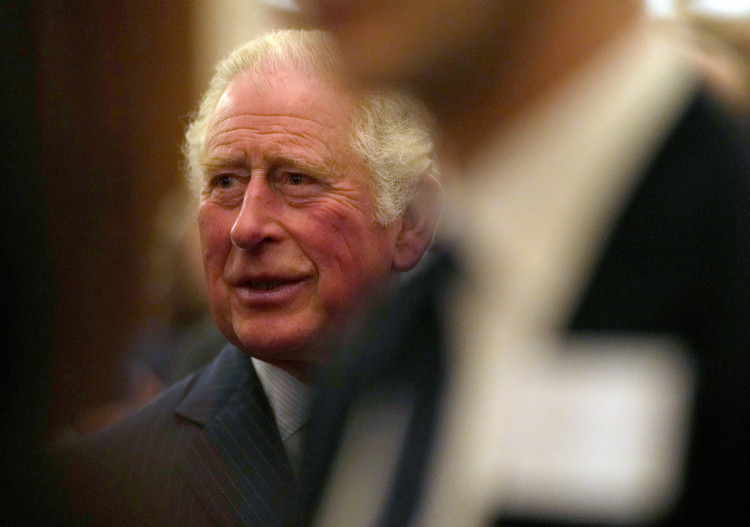
Reading legislation prepared by Prime Minister Keir Starmer's Labour government before the House of Lords, the King stated: "My government will bring forward a draft bill to ban abusive conversion practices."
The commitment was accompanied by government language declaring explicitly that "conversion practices are abuse," while confirming the proposed legislation would include protections covering both sexual orientation and gender identity - a politically sensitive inclusion that previous Conservative governments struggled to settle internally.
The proposed Draft Conversion Practices Bill would apply only to England and Wales and is expected to undergo a pre-legislative scrutiny process before entering Parliament formally, potentially delaying a final vote for months.
Officials said the legislation would be "carefully targeted" to avoid interfering with "legitimate healthcare," an issue that has become central to debates surrounding gender identity, therapy practices and parental rights.
The announcement marks the fourth separate government pledge to ban conversion therapy since 2018.
Former Prime Minister Theresa May first committed to outlawing the practice during her administration. Boris Johnson later backed legislation in 2022 but faced backlash after attempting to exclude transgender protections from the proposed ban. Rishi Sunak subsequently removed the policy entirely from his 2023 King's Speech.
Labour revived the pledge in its 2024 manifesto and repeated it in last year's King's Speech, but advocates noted that no draft legislation emerged during the previous parliamentary session.
That history has left campaigners increasingly skeptical.
Stonewall, one of Britain's largest LGBTQ+ advocacy organisations, sharply criticised the government only weeks ago for failing to meet earlier deadlines tied to the legislation.
"Four different prime ministers have promised to ban these abhorrent conversion practices, so this is an unacceptable position to be in," Stonewall chief executive Simon Blake said on 30 April. "We should not have to wait any longer. Conversion practices are abuse. LGBTQ+ people do not need fixing or changing."
The broader Ban Conversion Practices Coalition echoed those frustrations in a separate statement, saying: "As another parliamentary session ends, another government fails on its commitment to ban conversion practices."
"There is no place for this abuse in the UK," the coalition added.
The UK government broadly defines conversion therapy as efforts intended to "change, modify or suppress" a person's sexual orientation or gender identity, regardless of whether those practices occur in religious, therapeutic or informal settings.
Supporters of the ban argue that existing legal protections remain insufficient because coercive practices can occur outside formal medical systems and often involve psychological pressure rather than overt physical force.
Opposition groups, however, argue that the legislation risks criminalising legitimate conversations surrounding gender identity and mental health.
LGB Alliance said it opposes coercive or abusive practices but questioned whether new legislation is necessary when current laws already prohibit assault, harassment and coercion.
The organisation warned that a trans-inclusive ban could leave "same-sex attracted people, vulnerable young people and those struggling with trauma, identity or mental health issues with fewer options for support."
The timing of the announcement also intersects with a politically volatile moment for Starmer's government.
Labour suffered heavy local election losses earlier this month, surrendering more than 1,400 council seats nationwide. The pressure intensified further after Health Secretary Wes Streeting resigned from Cabinet on Thursday, saying he had "lost confidence" in Starmer's leadership.
More than 80 Labour MPs have reportedly urged Starmer either to resign or outline a timetable for departure, deepening instability inside the governing party.