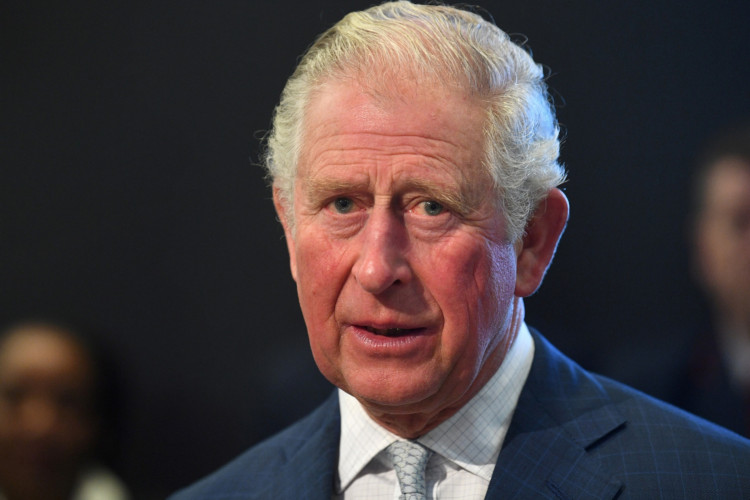
King Charles III is facing mounting frustration inside Buckingham Palace as legal and constitutional constraints prevent him from removing Prince Andrew-now formally Andrew Mountbatten-Windsor-from the British line of succession, despite sustained public backlash and internal pressure, according to reports citing palace insiders.
Andrew, 66, remains eighth in line to the throne even after losing his "His Royal Highness" style and military affiliations, a position determined not by royal discretion but by statute. The disconnect between public sentiment and constitutional reality has reportedly fueled tensions involving both the King and Prince William.
One senior royal source described the mood bluntly, telling OK! magazine: "There is a palpable sense William and Charles are seething and frustrated behind the scenes over the labyrinthine complications stopping Andrew being axed from the line of succession, because while the public mood is clear, the legal reality is just proving far too extraordinarily difficult to navigate."
At the core of the impasse lies the structure of British succession law, anchored in the 1701 Act of Settlement, which governs inheritance of the Crown through Protestant descendants of the Electress Sophia of Hanover. That framework has since been reinforced by modern constitutional arrangements, including the Statute of Westminster 1931, which effectively internationalizes any changes.
In practical terms, removing a single individual from the line of succession would not be a unilateral decision. It would likely require coordinated legislative action across all 15 Commonwealth realms where the British monarch remains head of state, a process officials describe as politically and legally complex.
A second palace source underscored the challenge: "They would love to see swift action, but the system itself is so complex that even beginning that process raises questions that do not have straightforward answers."
The King has already exercised the limits of his authority. In 2022, Charles stripped Andrew of royal styles and roles, sidelining him from public life. However, those measures did not affect his position in the succession, which is defined by law rather than by titles or official duties.
The growing gap between public opinion and institutional constraints has become increasingly visible. A YouGov poll cited in the reporting found that 82% of Britons support removing Andrew from the line of succession, while just 6% oppose such a move.
Yet constitutional experts warn that responding to that sentiment carries significant risks. One scholar told OK! that any attempt to alter succession rules in this case "is not simply a domestic issue - it would require coordinated legislative changes across multiple independent nations. In practical terms, it risks becoming what many have described as a global mess."
Behind the scenes, officials have reportedly explored whether a narrowly tailored legal solution could apply to Andrew alone, but concerns remain about precedent, fairness, and unintended consequences for other members of the royal family.
A parliamentary insider confirmed that discussions are ongoing but cautious, noting: "There is ongoing work to understand whether it is even feasible to remove him as an individual without triggering wider constitutional consequences." Another source added that the issue highlights a deeper structural tension: "That is at the heart of why William and Charles are so angry - they are confronted with a situation where the desire for change collides with a constitutional framework that is incredibly rigid."