Survivors of a deadly Iranian drone strike in Kuwait are publicly challenging the Pentagon's account of the attack, disputing statements by Pete Hegseth that the targeted unit was "fortified" and describing instead a position they say was "unprepared" and exposed when the strike hit.
The conflicting narratives have intensified scrutiny of the Defense Department's handling of one of the most lethal incidents involving U.S. forces during the recent Iran conflict, which left six soldiers dead and more than 20 injured. The episode has emerged as a flashpoint in a broader debate over military readiness and accountability as Washington navigates a fragile ceasefire with Tehran.
In interviews with CBS News, soldiers who survived the strike described a breakdown in defensive preparedness that they say contradicts official briefings. "Painting a picture that 'one squeaked through' is a falsehood," one injured service member said. "I want people to know the unit ... was unprepared to provide any defence for itself. It was not a fortified position."
Another soldier recounted the immediate aftermath of the strike as chaotic and disorganized. "There was no single line of patients to triage," the service member said, adding, "You're on one side of the fire or you're on the other side of the fire."
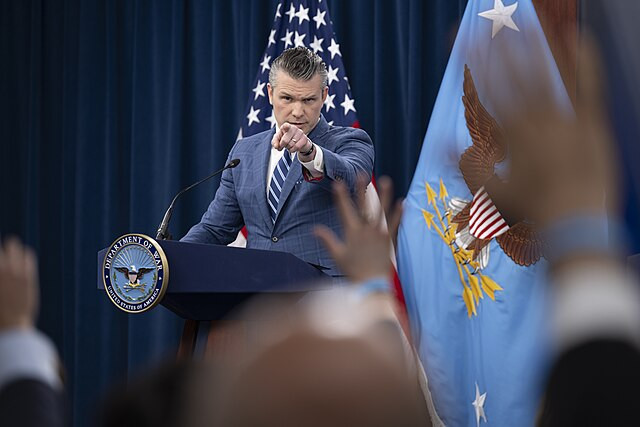
The accounts stand in direct contrast to remarks by Hegseth, who characterized the strike as a rare breach of an otherwise secure installation. Speaking at a March 2 briefing, the defense secretary said, "Unfortunately, we call it a squirter that, that makes its way through. And in that particular case it happened to hit a - a tactical operation centre. That was - that was fortified."
Survivors argue that description obscures systemic vulnerabilities, including what they say was a lack of sufficient air defense systems. Their testimony suggests the casualties were not solely the result of advanced weaponry but of structural weaknesses in base protection.
The soldiers also described having to rely on improvised medical responses in the immediate aftermath. According to their accounts, wounded personnel used makeshift bandages, braces and tourniquets while attempting to stabilize casualties before formal medical support arrived.
Beyond the operational details, the survivors framed their decision to speak publicly as a matter of accountability rather than dissent. "It's not my intent to diminish morale or to disparage the Army or the Department of War more holistically, but I do think that telling the truth is important and we're not going to learn from these mistakes if we pretend these mistakes didn't happen," one soldier said.
When asked whether the attack could have been avoided, the same service member responded unequivocally: "absolutely, yes."
The incident occurred against the backdrop of escalating hostilities following U.S. and Israeli strikes on Iran in late February, which triggered retaliatory actions across the region. Kuwait, hosting U.S. military assets, became one of several locations exposed to Iranian drone and missile operations during the conflict.
A temporary two-week ceasefire between Washington and Tehran has since paused active fighting, creating space for negotiations. Yet the dispute over what happened on the ground in Kuwait underscores unresolved tensions within the U.S. military and political leadership over how the conflict has been conducted.