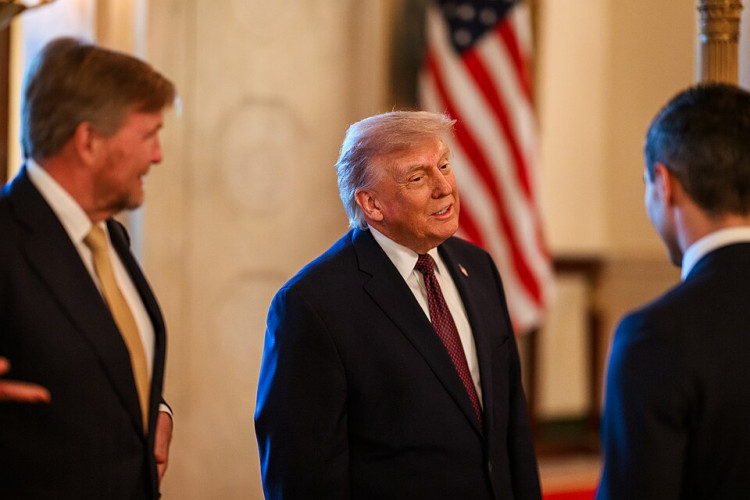
Federal agencies in Washington are reviewing a series of deaths and disappearances involving individuals linked to sensitive U.S. research programs, with Donald Trump publicly weighing in that he hopes the cases are "random," a remark that has sharpened political and national security scrutiny around the issue.
The cases, reported across sectors including aerospace, nuclear and defense-related work, involve at least 10 individuals connected to advanced scientific research. According to CNN reporting on April 21, 2026, federal authorities are assessing whether the incidents share common elements or should be treated as unrelated events.
Officials have not confirmed any direct link between the cases, but their proximity in time and association with sensitive research areas have prompted internal reviews. The individuals involved were reportedly engaged in work tied to government-adjacent or classified projects, elevating concerns within national security circles.
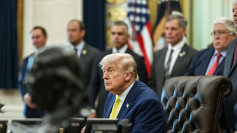
Trump addressed the reports by urging restraint in interpreting the developments, stating he hoped the situation was "random." His comment, while brief, has circulated widely across media and social platforms, becoming a focal point in the broader debate over whether the incidents suggest a pattern or reflect coincidence.
The lack of confirmed connections has not slowed public speculation. Viral content, including a widely shared LiveNOW Fox Facebook reel, has aggregated references to multiple cases, presenting them as potentially interconnected despite the absence of verified evidence. The clip's rapid spread has contributed to heightened public attention.
On platforms such as X and TikTok, users have attempted to reconstruct timelines and identify overlaps in professional backgrounds. Analysts say this pattern reflects a growing tendency for fragmented information to be assembled into cohesive narratives, particularly when amplified by algorithm-driven distribution systems.
Security experts caution against drawing premature conclusions. They note that professionals working in highly sensitive fields often attract disproportionate attention when incidents occur, especially when multiple cases emerge within a compressed timeframe. Without corroborated evidence, they emphasize, perceived patterns can be misleading.