Reports that Donald Trump may leave a major Washington media event early have ignited a political dispute over transparency, media relations and renewed scrutiny tied to Jeffrey Epstein, placing the White House Correspondents' gathering at the center of a broader national debate.
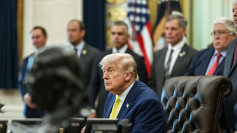
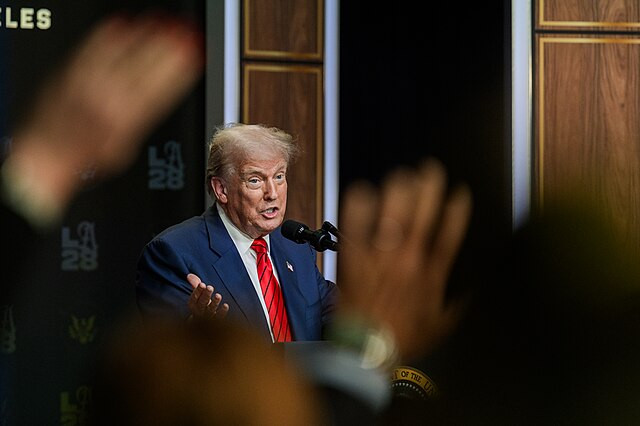
The controversy centers on claims that Trump could attend the White House Correspondents' Association event, deliver remarks and depart before engaging with journalists during key segments traditionally associated with press interaction. Trump has not publicly confirmed such plans, but the speculation alone has reshaped expectations around the event.
The White House Correspondents' dinner, long viewed as a symbolic intersection of political power and the press, typically includes moments of direct engagement between the president and journalists. Any deviation from that format-particularly an early exit-has been interpreted by critics as potentially avoiding scrutiny.
The issue has gained traction amid renewed attention to Epstein-related reporting, including work by The Wall Street Journal that is expected to be recognized at the event. That context has intensified focus on Trump's historical connections to Epstein, an issue that has periodically resurfaced in media and political discourse.
Trump has consistently denied wrongdoing and has challenged elements of such reporting through public statements and legal action. His allies argue that the renewed attention reflects political motivations rather than new evidence, framing the controversy as part of a broader pattern of media opposition.
Critics, however, view the timing of the alleged early departure as significant. They contend that choosing to leave before open engagement would raise questions about accountability, particularly at an event designed to highlight press freedom and public scrutiny of government officials.
The situation escalated further after comments from Marjorie Taylor Greene circulated online, suggesting that Trump had expressed concerns about releasing information tied to Epstein. Those claims remain unverified but have been widely discussed, adding another layer to the political and media response.
The reaction has exposed divisions not only between political parties but also within Trump-aligned circles. Some supporters have defended the president's approach, arguing that his longstanding criticism of mainstream media justifies limiting participation in what they characterize as a hostile setting.