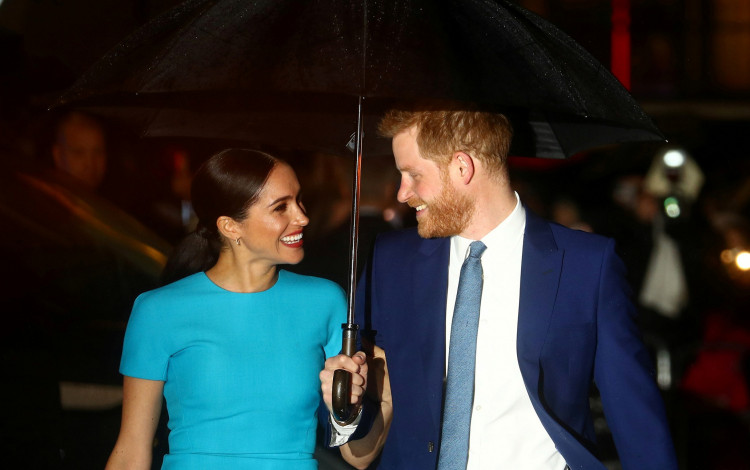
Meghan Markle's new commercial partnership with an artificial intelligence-powered shopping platform is intensifying scrutiny of Prince Harry's ongoing legal campaign to restore taxpayer-funded security in Britain, reviving a debate that has followed the couple since they stepped back from royal duties in 2020.
The Duchess of Sussex recently signed a deal with OneOff, an AI-driven retail platform that allows users to identify and purchase clothing worn by celebrities. Under the arrangement, Meghan reportedly earns a percentage of sales tied to outfits featured on the platform, including looks she wore during a recent high-profile trip to Australia with Harry.
That trip, while unofficial, included charity appearances and public walkabouts that resembled the style and structure of traditional royal tours, prompting renewed questions in royal and political circles about whether the Sussexes are blending public-facing royal-style engagements with private commercial ventures.
The timing is especially sensitive because Harry remains locked in a legal dispute with the British government over police protection in the United Kingdom. After he and Meghan ceased being working royals, automatic publicly funded security was withdrawn. Harry has since challenged that decision in court, arguing that his family continues to face significant security risks when visiting Britain.
Royal commentator Stacy Schaverien argued that Meghan's new commercial arrangement complicates the optics surrounding that legal battle.
"If Harry wins back the right to taxpayer-funded security for him and his family, how will that play out when he and Meghan visit the UK?" Schaverien said, questioning whether official-looking appearances tied to charity work could simultaneously function as revenue-generating branding opportunities.
The concern extends beyond celebrity fashion partnerships. At issue is whether British taxpayers should finance security operations for visits that critics say may also benefit Meghan's expanding commercial ecosystem.
Under the OneOff model, users can upload or search photographs of Meghan's outfits and receive AI-generated recommendations for identical or similar products. The system effectively turns every photographed public appearance into a monetizable retail opportunity, with affiliate-style commissions tied to purchases.
Royal observers say that dynamic risks colliding with long-standing palace norms separating official royal duties from personal commercial gain.
The controversy reflects the unresolved "half-in, half-out" debate that has surrounded the Sussexes for years. Since leaving frontline royal life, Harry and Meghan have attempted to maintain visibility through philanthropy, media projects and public advocacy while simultaneously building independent revenue streams through entertainment deals, branding partnerships and lifestyle ventures.
Their earlier agreements with Netflix and Spotify were initially viewed as proof the couple could financially sustain themselves outside the monarchy. More recently, Meghan has shifted toward lifestyle and fashion-related business projects tied more directly to her personal image and influence.
The latest AI-backed partnership arrives as Britain prepares for the return of the Invictus Games next year. Harry is expected to make additional visits to the UK connected to preparations for the Birmingham-hosted games, making security arrangements an increasingly immediate political and logistical issue.
The British government has consistently argued that publicly funded police protection is reserved primarily for working members of the Royal Family carrying out official state functions. Harry's legal team, however, maintains that his profile and history create unique security risks regardless of his employment status within the monarchy.
The High Court previously ruled against Harry's challenge, though elements of the case remain under review. His willingness to privately contribute toward certain security costs has not resolved the broader constitutional issue surrounding police resources and public funding.
Inside royal circles, the debate increasingly centers on optics as much as law. Critics argue that if Meghan continues monetizing public appearances through AI-linked commerce while benefiting from taxpayer-funded protection during UK visits, the arrangement could appear indistinguishable from state-supported influencer marketing.
Supporters of the Sussexes counter that Meghan and Harry forfeited public funding when they left royal life and have been forced to create independent income streams precisely because they no longer receive institutional financial support from the monarchy.