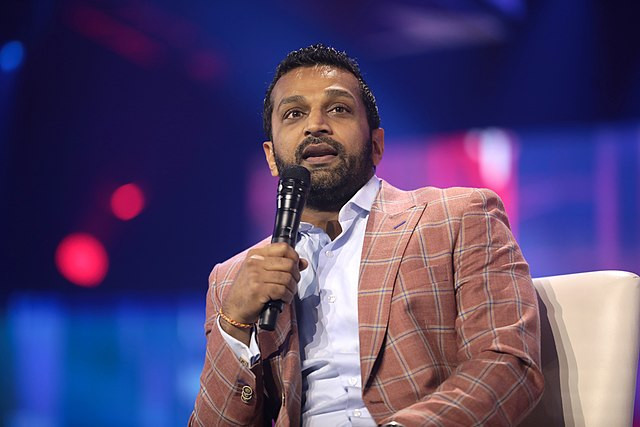
Kash Patel and the Federal Bureau of Investigation are facing mounting scrutiny after reports emerged that a special internal unit, described by sources as a "payback squad," has been tasked with pursuing politically sensitive investigations tied to allies and critics of President Donald Trump, including former Central Intelligence Agency Director John Brennan.
According to NOTUS, which cited four sources including current government officials, the group operates outside standard FBI structures and focuses on cases involving alleged abuses of power during previous administrations. The report said agents assigned to the unit work in rotating shifts from an off-site location and understand the political sensitivity surrounding the investigations.
A senior FBI official denied that any team formally called the "payback squad" exists. The official did, however, confirm the existence of what is known internally as the Director's Advisory Team, a unit created in early 2025 under Patel's leadership.
That unit, according to the FBI official, was established to investigate alleged "abuses of power" spanning the last three presidential administrations and initially operated independently from the bureau's Washington Field Office before later expanding with personnel from New York.
The emergence of the report comes at a volatile moment for Patel himself. During a tense Senate Appropriations hearing this week, Democratic lawmakers questioned the FBI director over allegations published by The Atlantic involving excessive drinking, erratic behavior and misuse of government resources.
Patel rejected the accusations in blunt terms. "I will not be tarnished by baseless allegations and fraudulent statements from the media," he told senators, later describing the claims as "unequivocally, categorically false."
The hearing escalated further when Patel agreed on camera to take an Alcohol Use Disorders Identification Test after Democratic Sen. Chris Van Hollen challenged him directly. "Let's go. Side by side," Patel responded.
Behind the public spectacle on Capitol Hill, attention inside Washington has increasingly turned toward the Brennan investigation and the unusual structure surrounding it.
The case is reportedly being handled through the US Attorney's Office for the Southern District of Florida under Trump-appointed prosecutor Jason Reding Quinones. Working alongside him is longtime Trump ally Joseph diGenova, who was sworn in as special counsel to the attorney general earlier this year.
DiGenova previously represented Trump during Special Counsel Robert Mueller's Russia investigation and during disputes surrounding the 2020 election. He replaced veteran national security prosecutor Maria Medetis Long, who, according to reports, had argued internally that evidence against Brennan was insufficient to support criminal charges.
Court filings cited in the reporting show that a federal grand jury was impaneled in South Florida in late 2025. NOTUS separately reported that diGenova has traveled repeatedly between Miami and Fort Pierce, where US District Judge Aileen Cannon presides.
That detail has fueled accusations from legal observers that prosecutors are strategically steering procedural disputes into a jurisdiction viewed as favorable to Trump allies. Judge Cannon previously drew national attention for rulings that benefited Trump during earlier federal investigations.
The Brennan matter is unfolding alongside a wider series of investigations targeting prominent figures who previously clashed with Trump or his administration.
Former FBI Director James Comey was federally indicted earlier this year before a Virginia judge dismissed the case. Prosecutors later filed separate charges in North Carolina tied to an Instagram image showing seashells arranged to read "86 47," which authorities interpreted as a threat against Trump. Comey denied that interpretation.
Meanwhile, charges brought against Letitia James in Virginia were also dismissed, though broader investigations reportedly remain active.
According to the reporting, prosecutors have issued more than 150 subpoenas connected to the broader inquiry and interviewed current and former CIA personnel involved in the intelligence assessment examining Russian interference in the 2016 election.