Zohran Mamdani is celebrating what he describes as the elimination of New York City's looming $12 billion budget shortfall, but the political victory is already colliding with growing concern from fiscal watchdogs who argue the city relied heavily on temporary measures, state intervention and accounting maneuvers rather than structural reform.
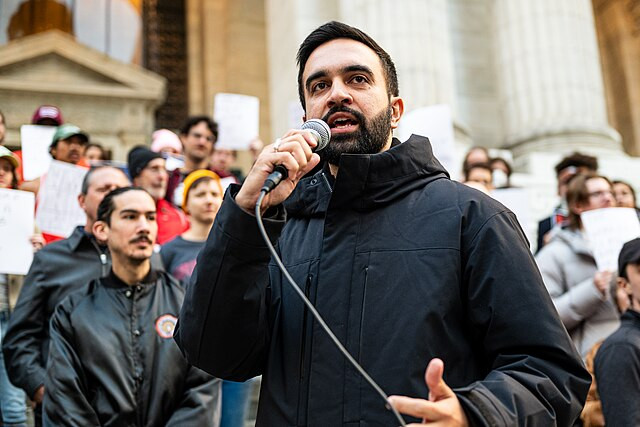
Standing before reporters after weeks of negotiations, Mamdani declared that the city had "closed the gap entirely, down to zero," presenting the latest budget agreement as proof that New York could preserve public services without imposing broad new burdens on working-class residents.
The numbers, at least on paper, are substantial.
City officials say the agreement resolves a combined deficit of roughly $12 billion spread across two fiscal years, including:
- Approximately $5.6 billion in the current fiscal cycle
- Roughly $7 billion projected for the following year
Behind the headline, however, the mechanics of the deal tell a more complicated story.
Early in negotiations, Mamdani aggressively pushed for higher taxes on corporations and wealthy New Yorkers, framing the proposal as a way to stabilize city finances while protecting essential programs. That strategy quickly ran into resistance in Albany, where state leaders showed little appetite for large new tax increases.
The political turning point came when Kathy Hochul intervened with a broader state assistance package after Mamdani backed away from some of his more ambitious tax proposals.
The final arrangement relies heavily on state-supported funding streams and temporary fiscal adjustments rather than sweeping permanent revenue increases.
According to officials familiar with the deal, the broader state package includes nearly $8 billion in combined support over two years, built from several categories of aid and program adjustments.
Those include:
- $352 million in direct state aid
- Approximately $3.2 billion linked to state-authorized programs
- Roughly $500 million in revenue-related adjustments
The negotiations also involved major state and city power brokers, including Andrea Stewart-Cousins, Carl Heastie and Julie Menin.
Mamdani ultimately abandoned a previously floated property-tax increase that had alarmed business groups and homeowners alike.
Instead, the budget turned toward narrower revenue measures and technical financial restructuring.
Among the most significant provisions:
- A pied-à-terre tax on luxury second homes projected to generate about $500 million
- Changes to the Unincorporated Business Tax credit expected to raise roughly $68 million
- Pension amortization adjustments estimated to save more than $2 billion over time
The city also delayed portions of expensive education mandates tied to class-size reductions, easing immediate staffing pressure even while officials pledged to hire approximately 1,000 additional teachers and continue education infrastructure investments.
Supporters of the deal argue the administration succeeded in avoiding austerity while protecting core public services during an exceptionally difficult fiscal period.
Critics are less convinced.
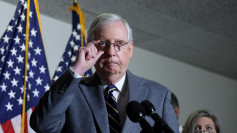
Mark Levine praised the restraint of the final spending package but warned that the city remains dependent on "one-shot measures" that may disappear in future budgets.
Those concerns center on whether the agreement permanently repairs New York's structural imbalance or merely delays another major shortfall.
Analysts already project the city could again face a deficit approaching $7 billion once temporary measures and state support expire.
Jumaane Williams also urged caution, noting that some elements of the state assistance still require long-term certainty before they can be treated as fully secure revenue.
For Mamdani, the deal nonetheless marks an important political moment.
The mayor campaigned on the idea that New York could maintain expansive public commitments without forcing ordinary residents to absorb the cost of fiscal instability. By avoiding the large-scale tax increases he once championed while still balancing the books, he is attempting to present himself as both progressive and pragmatic.
Yet the compromise also exposes the limits of that balancing act.